•Severe tropical storm Jangmi battered southwestern Japan on June 2, 2026, causing power outages, injuries, and flight cancellations.
•Evacuation orders were issued for Miyazaki city, affecting around 390,000 residents due to risks of flooding and landslides.
•Approximately 47,000 households across Okinawa and Kagoshima lost power, and nine people were injured in Okinawa.
•Japan’s two largest airlines, ANA and JAL, canceled 600 flights scheduled from June 1 to June 3, 2026.
•Government spokesman Minoru Kihara warned of further disruptions in Tokyo and nearby cities on June 3 and urged early evacuation.
•The Japan Meteorological Agency warned of high waves, landslides, and flooding as the storm moved northward.
•Officials emphasized the need for vigilance and adherence to evacuation advisories to ensure public safety.
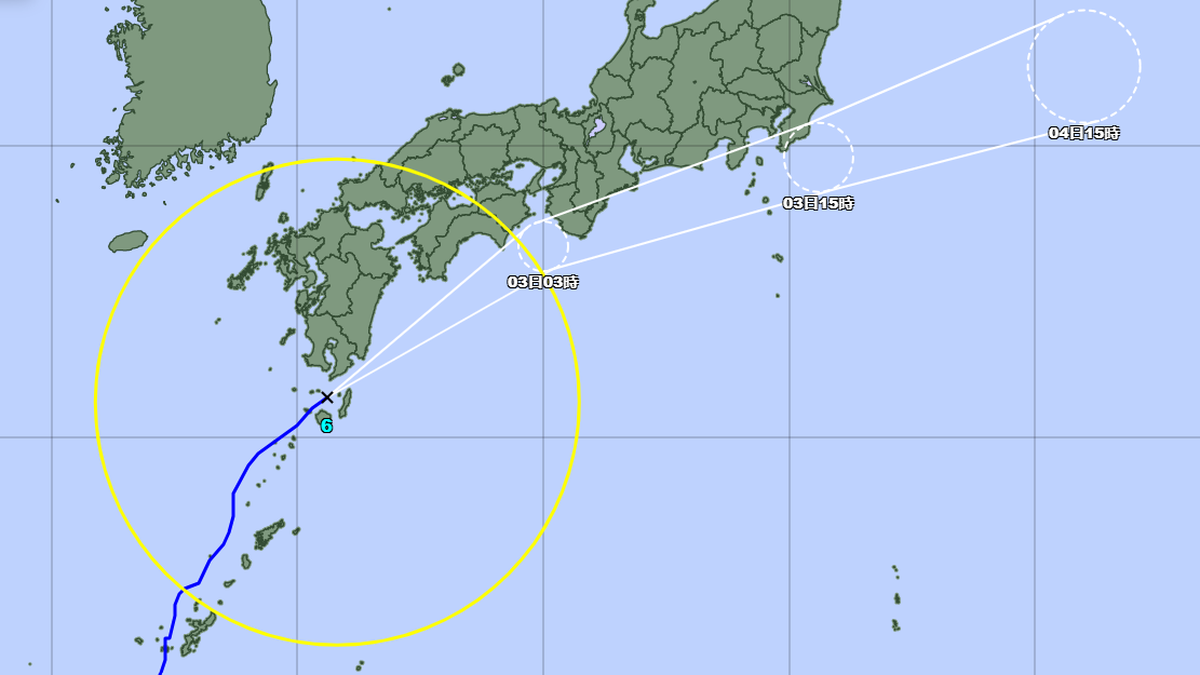
A severe tropical storm, Jangmi, swept through southwestern Japan on Tuesday, June 2, 2026, causing widespread disruption, power outages, and injuries. The storm, which had earlier been classified as a typhoon, was downgraded but still brought heavy rain, strong winds, and dangerous conditions to the region.
The Japan Meteorological Agency warned of high waves, landslides, and flooding as Jangmi moved northward after making landfall on the subtropical island of Okinawa on Monday, June 1, 2026. The storm’s impact was felt most severely in the southwestern region, including the island of Kyushu. In Miyazaki city, home to approximately 390,000 people, authorities issued urgent evacuation orders, urging residents to leave their homes immediately due to the risk of flooding and landslides.
By Tuesday morning, power outages affected thousands of households across the region. In Okinawa, around 17,000 homes lost electricity, while in the Kagoshima region, more than 30,000 households were left without power. The storm’s strong winds felled a 10-meter tree in Okinawa, and local media shared images of the damage caused by torrential rain and gusts. Top government spokesman Minoru Kihara confirmed that nine people had been injured in Okinawa due to the storm. Injuries were attributed to flying debris hitting vehicles and people losing their footing in the strong winds.
As Jangmi continued its northward trajectory, officials warned of further disruptions to public transport in Tokyo and nearby cities on Wednesday, June 3, 2026. Mr. Kihara urged residents in affected areas to stay vigilant and prioritize early evacuation. “For those of you who are living in areas likely to be affected by the storm, please pay close attention to evacuation information issued by your municipalities, and stay mindful of early evacuation,” he said during a news conference. “Please remain vigilant and make sure you take action to protect your life.”
The storm also caused significant disruptions to air travel. Japan’s two largest airlines, All Nippon Airways (ANA) and Japan Airlines (JAL), canceled a combined total of 600 flights scheduled between Monday, June 1, and Wednesday, June 3, 2026. The cancellations affected travel plans for thousands of passengers, adding to the chaos caused by the storm.
Meteorologists and government officials continued to monitor Jangmi’s progress closely, emphasizing the need for caution as the storm moved inland. While the storm had weakened from its typhoon status, its impact remained severe, with ongoing risks of landslides, flooding, and infrastructure damage. Residents in the storm’s path were advised to stay updated on official warnings and prepare for potential disruptions in the coming days.
The event highlighted Japan’s vulnerability to extreme weather events, even as the country remains on high alert during the typhoon and storm seasons. Authorities urged communities to remain prepared and responsive to evacuation orders to minimize risks to life and property.