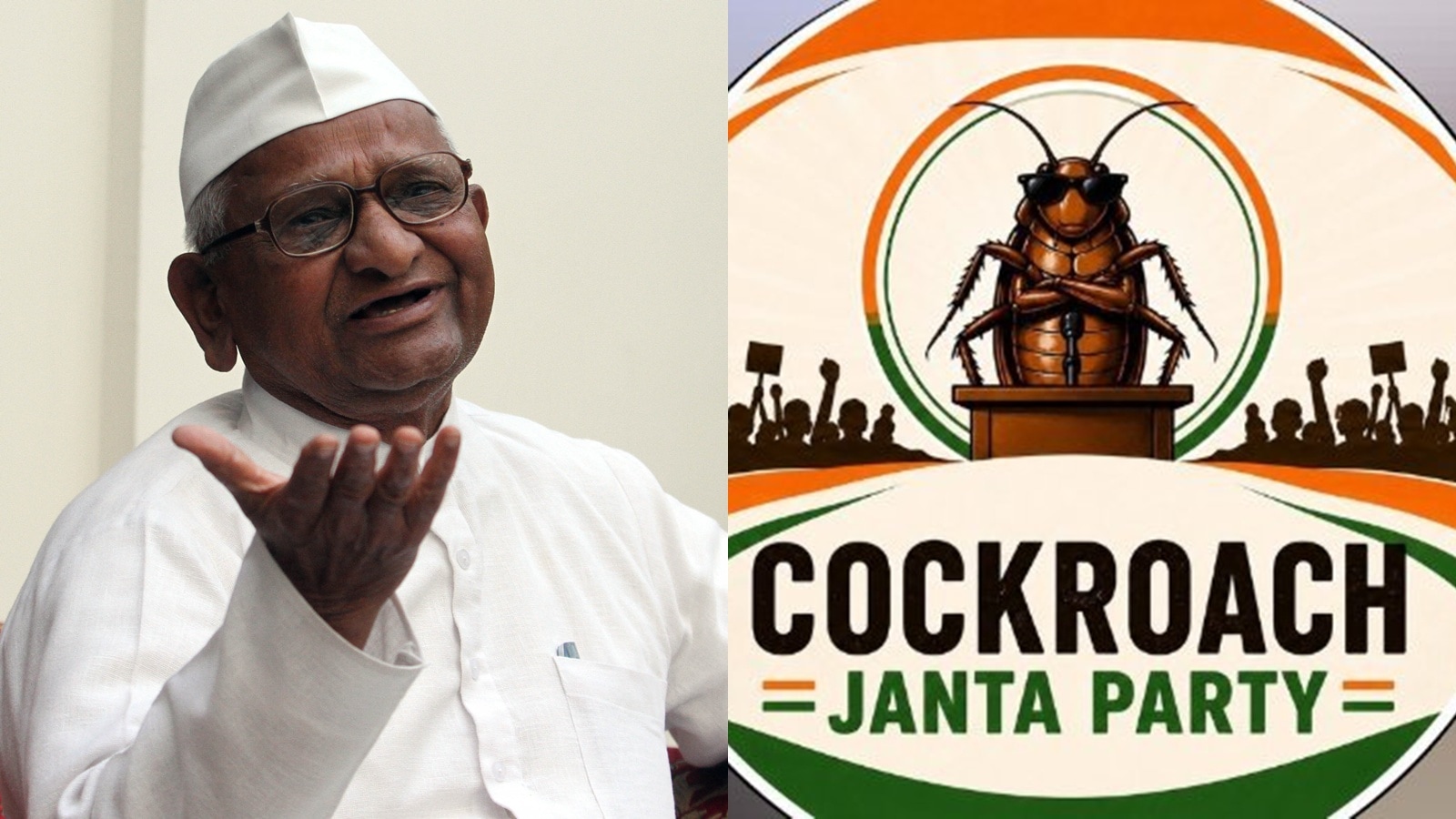
•Anna Hazare endorses 'Cockroach Janata Party', a satirical youth-led movement, despite concerns over its name.
•Hazare emphasizes the importance of youth power in democracy and urges the government to encourage such digital dissent.
•The party gained traction on social media through memes and satire targeting unemployment, education failures, and governance issues.
•The original X account of the party was suspended on May 21, after which a new account, "Cockroach is Back," emerged.
•The movement gained momentum following CJI Surya Kant's remarks, which were later clarified as addressing fake degrees in the legal profession.
•Hazare’s support highlights the growing recognition of digital activism as a legitimate form of political expression.
•The party’s satirical approach has resonated with youth frustrated over systemic issues, reflecting broader discontent with institutional failures.
Senior social activist Anna Hazare has extended support to the newly formed 'Cockroach Janata Party,' a youth-driven digital movement that has gained significant traction on social media through satire and political commentary. Speaking to reporters on Sunday, Hazare acknowledged concerns over the party's unconventional name but emphasized the importance of understanding the underlying frustrations it represents.
Hazare, best known for spearheading India’s anti-corruption Lokpal movement, stated that while the term "Jural" (meaning cockroach in Hindi) may not be appropriate, the movement reflects the growing discontent among the country’s youth. “Even though the name ‘Jural’ is not appropriate, the people of the country are standing behind this party,” he said. He further added, “Youth power is national power. When these two things come together, the government should not ignore them but encourage them.” The veteran activist stressed that rising youth engagement in political and social discourse is a positive sign for Indian democracy.
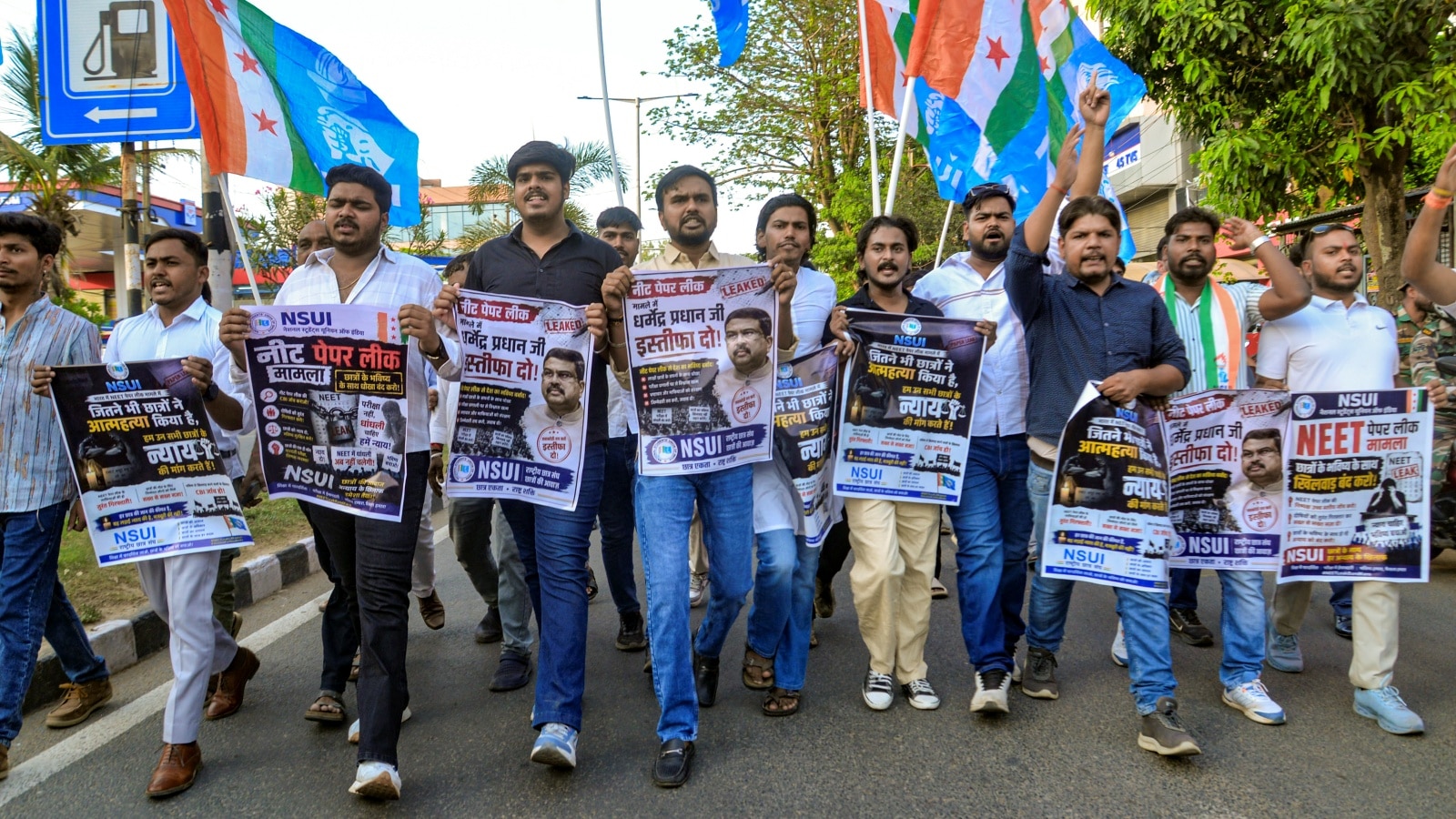
The 'Cockroach Janata Party' emerged as a satirical campaign targeting issues such as unemployment, education system failures, exam paper leaks, and governance. The movement gained momentum after remarks by Chief Justice of India Surya Kant during a court hearing on the "senior" designation of lawyers sparked widespread debate. Allegedly referring to some individuals as "cockroaches" and "parasites," the CJI later clarified that his comments were misquoted and directed at those entering the legal profession using fake or bogus degrees.
The original X account associated with the party was suspended in India on May 21. Following this, a new account titled “Cockroach is Back” appeared with the tagline, “Cockroaches Don’t Die.” This shift underscored the resilience of the movement and its commitment to digital dissent. The party’s satirical approach has resonated particularly among young users frustrated with systemic issues such as academic pressure and institutional failures.
Hazare’s endorsement is seen as a rare acknowledgment of youth-led digital activism, even when expressed through unconventional or satirical platforms. His remarks highlight the growing intersection of social media, youth engagement, and political expression in India. The movement, though initially dismissed by some as mere internet humor, has evolved into a broader platform for articulating dissent against perceived governance failures.
The controversy surrounding the party’s name and the subsequent social media ban have only amplified its visibility, drawing attention to the issues it seeks to highlight. While critics argue that satire can dilute serious political discourse, supporters view it as a powerful tool for engaging younger demographics who are often disengaged from traditional political processes. Hazare’s support lends further credibility to the movement, signaling a potential shift in how digital activism is perceived in mainstream political discourse.
As the 'Cockroach Janata Party' continues to grow, its impact on India’s political landscape remains to be seen. However, its rapid rise underscores the evolving nature of public participation in democracy, driven by digital platforms and fueled by youth frustration.