•The Centre has ordered the Delhi Gymkhana Club to vacate its 27.3-acre Lutyens’ Delhi premises by June 5 for urgent defence and public security needs.
•The property at 2, Safdarjung Road is adjacent to the Prime Minister’s residence and classified as a highly sensitive area.
•Founded in 1913, the club became a symbol of elite social circles with a membership formula favouring civil servants and defence personnel.
•The club faces long-standing allegations of financial mismanagement and governance issues, currently under government administration.
•Members expressed shock at the sudden eviction notice, with several considering legal challenges.
•Political leaders and former officials criticized the move, citing the club’s sporting and institutional legacy.
•The lease allows re-entry for public use, but members are concerned about employee livelihoods and future access to exclusive facilities.
The Union government has directed the historic Delhi Gymkhana Club to vacate its 27.3-acre premises in Lutyens’ Delhi by June 5, citing urgent requirements for defence infrastructure and public security. The order was issued by the Land and Development Office (L&DO) under the Union Ministry of Housing and Urban Affairs, marking a significant shift in the use of prime government land in the national capital.
The decision comes as the Centre seeks to reclaim and redevelop land parcels around Lok Kalyan Marg, a high-security zone in central Delhi. The Gymkhana Club’s property at 2, Safdarjung Road lies adjacent to the Prime Minister’s residence and has been classified as a “highly sensitive and strategic area.” Officials indicated that the land, along with adjoining government properties, could be repurposed for secure residences and institutional facilities for top government functionaries. In case of non-compliance, the government warned it would take possession “in accordance with law.”
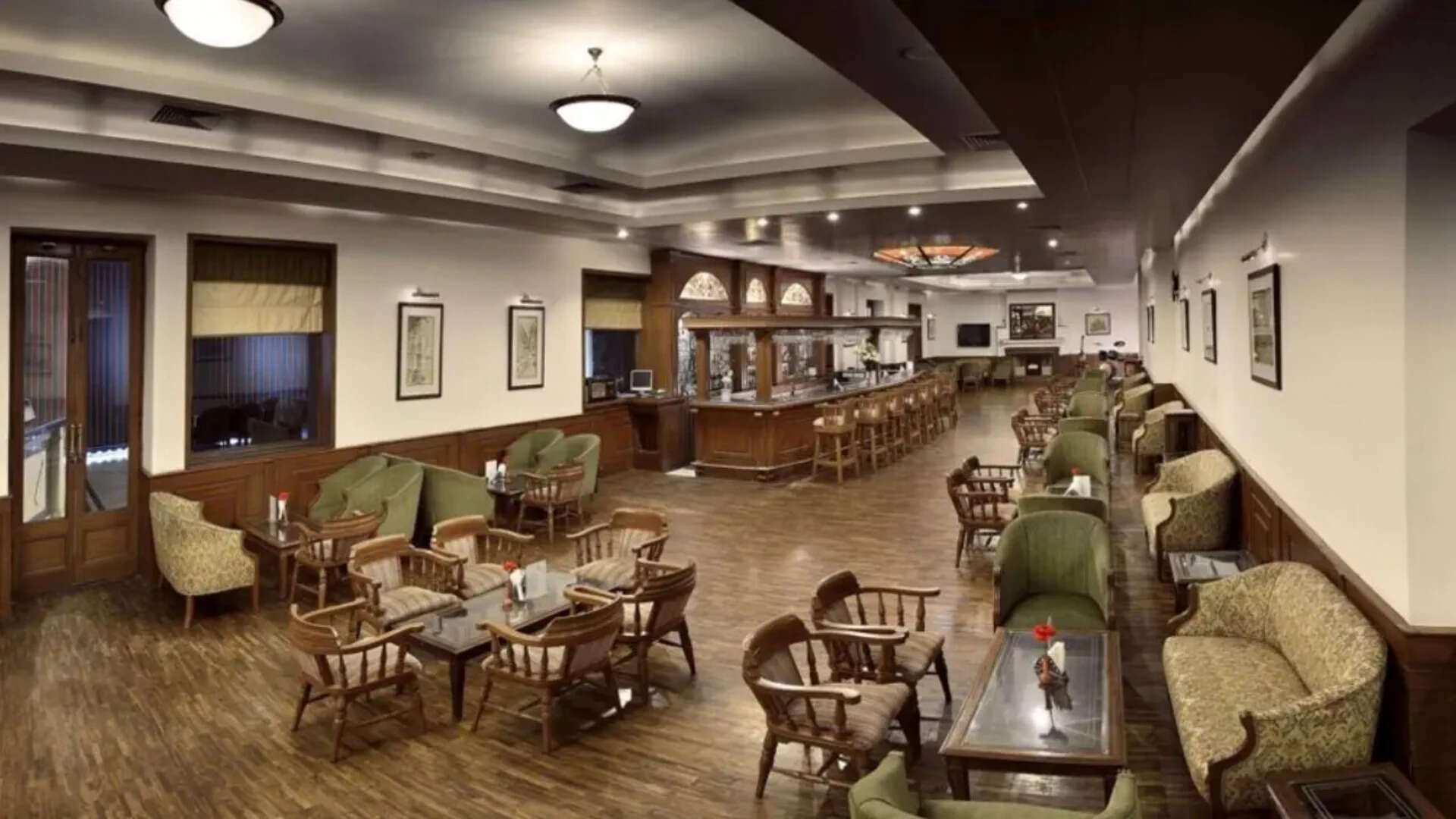
Founded in 1913 as the Imperial Delhi Gymkhana Club during British rule, the institution moved to its current premises in the 1930s and became a symbol of elite social circles post-Independence. Over the decades, it evolved into one of India’s most exclusive and prestigious clubs, frequented by bureaucrats, defence officers, politicians, and business leaders. Its sprawling campus features 26 grass tennis courts, squash courts, a swimming pool, dining halls, restaurants, and party venues, all set within lush lawns in Lutyens’ Delhi.
Membership was traditionally governed by a structured formula: 40% reserved for civil servants, 40% for defence personnel, and 20% for others. Entry was highly selective, with waiting periods often stretching 30 to 40 years. The club also operated under a controversial “green card” system that gave adult dependents of members preferential access, effectively limiting outsider entry. However, governance disputes and allegations of mismanagement have plagued the institution for years.
The Ministry of Corporate Affairs initiated a probe nearly six years ago into alleged financial irregularities, governance violations, and deviations from the club’s original purpose of promoting sports and recreation. Internal elections saw factional battles between civil service and defence factions, while government agencies accused the club of transforming “from a vyayamshaala to a madhushaala” — from a gymnasium to a drinking hall. The club has been under government-appointed administration following directives from the National Company Law Tribunal and Corporate Affairs Ministry.
Just weeks before the eviction order, the L&DO issued a notice demanding the club clear nearly ₹47 crore in dues, including ₹36 crore linked to revised lease rates. Many members expressed shock at the sudden decision, believing lease and payment issues were under discussion. In a communication to members, the governing committee stated its priority was to ensure operations continued without disruption and sought an urgent meeting with the Housing and Urban Affairs Ministry. Several members indicated plans to challenge the order legally, though they acknowledged the lease allows re-entry for public use.
The Centre’s decision has sparked political and emotional reactions. AAP leader Saurabh Bharadwaj criticised the move, stating, “Till now, it was the poor who were being affected, so the rich were not too bothered. Then came the turn of shopkeepers. Now it is the turn of senior officers and professionals who visit clubs. Everyone’s turn will come eventually.” Congress leader Udit Raj called the development “very sad,” while former IPS officer Kiran Bedi termed it “unfortunate” and “truly tragic.” She recalled the club’s sporting legacy, including contributions by late Union Minister Arun Jaitley, and emphasised the need to preserve its institutional heritage.
Advocate and third-generation member Riya Sachthey said she was initially “appalled” but accepted the government’s rationale if the land is used for public security. She stressed that employees should not lose their livelihoods and suggested creating an alternative institution for members if the premises are repurposed.
The eviction deadline of June 5 marks a decisive moment for one of Delhi’s most storied colonial-era clubs and raises broader questions about land use, heritage, and governance in Lutyens’ Delhi.