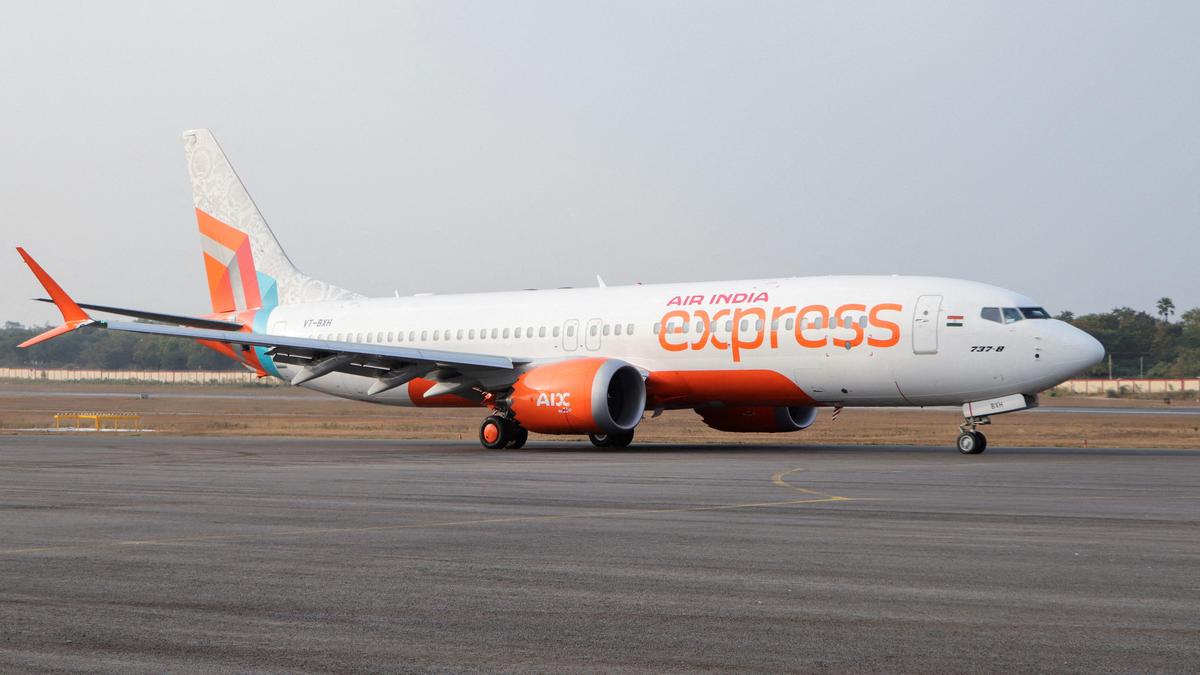
•An Air India Express Boeing 737-800 was grounded in Muscat on May 15, 2026, after an accident during takeoff.
•The crew mistakenly aligned the aircraft with runway edge lights instead of the runway, damaging the lights and causing a hydraulic leak and flat tire.
•The crew rejected the takeoff after hearing a loud "big bang" and receiving a cockpit alert.
•The incident has been classified as an accident by Oman’s air accident investigation body, which is currently investigating the occurrence.
•The aircraft has been grounded in Muscat for over nine days as of May 25, 2026.
•The flight was operating from Muscat to Kannur, and the misalignment highlights the importance of pilot training and situational awareness.
•Aviation authorities in Oman and India are expected to review the incident to identify any lapses in procedure or training.
An Air India Express Boeing 737-800 aircraft operating a flight from Muscat to Kannur was grounded on May 15, 2026, following an accident during takeoff at Muscat International Airport in Oman. According to the incident report, the flight crew mistakenly aligned the aircraft with the runway edge lights instead of the actual runway, resulting in damage to the lights and causing a hydraulic leak and a flat tire. The crew decided to reject the takeoff after hearing a loud "big bang" sound and receiving an alert in the cockpit.
The incident has been classified as an accident by Oman’s air accident investigation body, which is currently investigating the occurrence. The aircraft has remained grounded in Muscat for more than nine days as of the latest update on May 25, 2026.
The Boeing 737-800, a narrow-body twin-engine jet, was operating under Air India Express, a low-cost airline based in India and a subsidiary of Air India. The flight was scheduled to travel from Muscat, the capital city of Oman, to Kannur, a major city in the southern Indian state of Kerala.
During the attempted takeoff, the crew reportedly mistook the runway edge lights for the runway itself. These lights are typically positioned along the sides of the runway to guide pilots during takeoff and landing. Misalignment with these lights instead of the runway can lead to serious safety risks, including runway excursions or damage to airport infrastructure.
The accident caused damage to the runway edge lights, which are essential for guiding aircraft during low-visibility conditions. Additionally, the impact led to a hydraulic leak and a flat tire on the aircraft. The crew responded immediately to the alert and the loud noise, rejecting the takeoff to prevent further damage or potential danger to passengers and crew.
Oman’s air accident investigation authority, responsible for probing aviation incidents within the country, has classified the event as an accident and is conducting a thorough investigation. The grounded aircraft has been held in Muscat for over nine days, indicating the seriousness of the incident and the need for a detailed inquiry.
Air India Express has not issued an official statement regarding the incident as of the latest update. However, the airline is expected to cooperate fully with the investigation authorities in Oman to determine the cause of the misalignment and prevent similar incidents in the future.
The incident highlights the importance of pilot training and situational awareness, especially during critical phases of flight such as takeoff. Proper alignment with the runway and adherence to airport lighting systems are crucial for safe operations. Airports and airlines worldwide continuously emphasize training programs to ensure pilots are well-versed in interpreting runway and taxiway markings and lights correctly.
As investigations continue, aviation authorities in Oman and India are likely to review the incident to identify any lapses in procedure or training that may have contributed to the accident. The findings of the investigation could lead to recommendations for improved safety measures and protocols for airlines operating in the region.