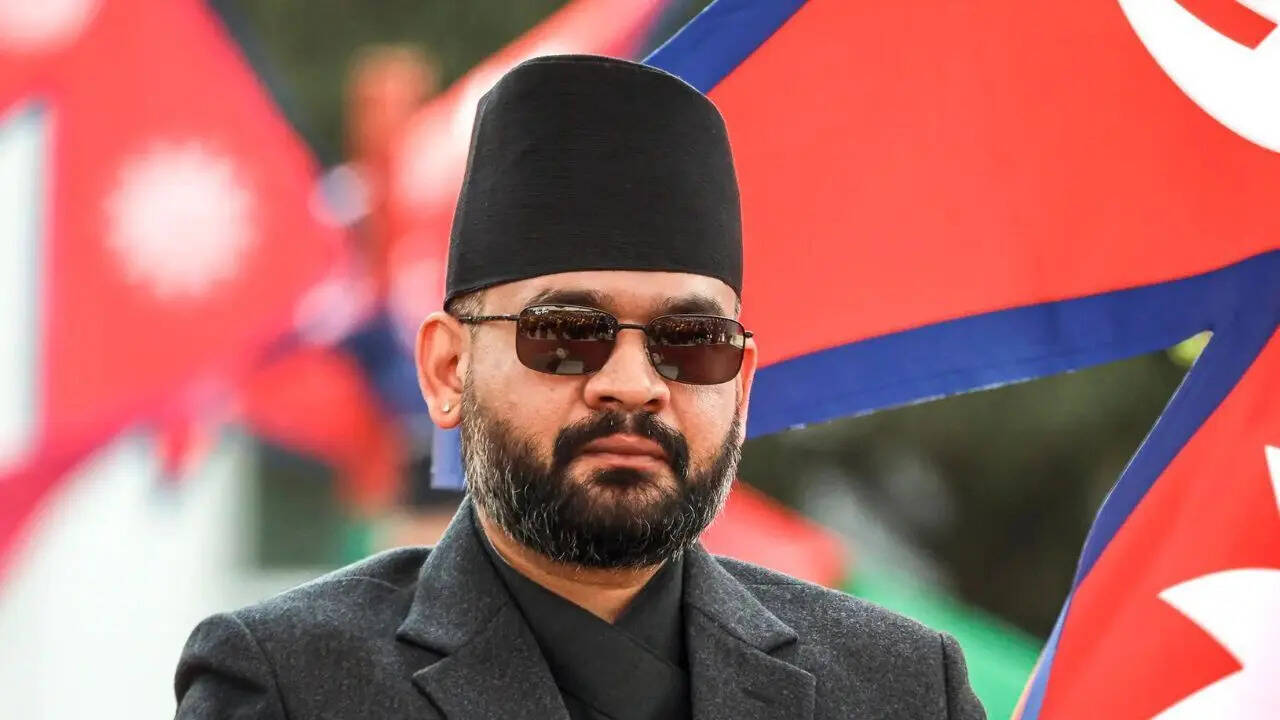
Nepal ke Prime Minister Balendra Shah, jo popularly Balen ke naam se jaane jaate hain, apne tenure ke sirf do mahine mein hi scrutiny ka samna kar rahe hain. Unka ambitious 100-point governance reform agenda delay ke sanket dikha raha hai. March 27 ko shapath lene ke baad unka ye reform plan aaya tha, jismein federal ministries ko chhota karna, financially strained boards aur committees ko merge karna, aur civil servants aur teachers ko depoliticise karna jaise badlav ka vaada tha. Iske alawa, Gauri Bahadur Karki-led commission ki recommendations ko implement karna, stuck projects ko revive karna, investment services ko digitise karna, aur long-term energy export strategy banane jaise proposals bhi the. Lekin ek government tracker website ke hisab se inmein se zyada tar promises pehle hi "overdue" mark ho chuke hain. Yeh dekh ke chinta badh gayi hai ki ek leader jo youth-driven public expectation ke wave par jeet kar aaye the, unki delivery ki speed par.
Balen par pressure badh gaya hai cabinet instability, legal controversies, aur unke governing style ki criticism ki wajah se. Office sambhaalne ke 30 din ke andar hi do ministers ne resignation de diya: Labour Minister Deepak Sah ko apne spouse ko Health Insurance Board mein appoint karne ke baad recall kar liya gaya, aur Home Minister Sudan Gurung ne businessman se judi allegations ki wajah se padha chhoda. In departures par public reaction bahut teji se hui hai. Ek Gen Z Nepali, Michael Tamang, ne poochha, "Kya Parliament mein koi capable ministers nahi hain jo in posts ko sambhaal sake?"
Legal controversies bhi administration par haavi ho gayi hain. Government ka decision Karki Commission report ko implement karna—jo originally former Prime Minister Sushila Karki ke interim government ne issue kiya tha—ko legal grounding ki kami ke liye criticism ka samna karna pad raha hai. Former Prime Minister KP Sharma Oli aur former Home Minister Ramesh Lekhak ki arrests without proper documentation ne legal aur political backlash paida kiya hai. Similarly, Nepali Congress leader Deepak Khadka ko insufficient evidence ki wajah se prolonged detention ke baad release kar diya gaya, jisse due process ke concerns aur badh gaye.
Balen ki government, jisme Lower House mein two-thirds majority hai, National Assembly mein representation nahi rakhti—jo laws aur amendments pass karne ke liye ek important legislative body hai. Is hurdle ko bypass karne ke liye, government ne aath ordinances issue kiya, jinmein civil service trade unions aur university student organisations ko dissolve karne ke measures bhi shamil the. Supreme Court ne employees aur students ke protests ke baad in ordinances ko stay kar diya. Balen ne social media post mein in moves ko defend karte hue kaha ki schools aur bureaucracy mein party flags par ban lagana "professional freedoms ko strengthen karega" aur partisan influence ko rokega. Unhone kaha ki transfers aur promotions procedure aur competence ke hisab se hone chahiye, party affiliation ke hisab se nahi.
Ek aur bada issue hai government ke nationwide anti-eviction drives, jinke chalte hazaaron log v displacement ka samna kar rahe hain. Officials ke hisab se Kathmandu Valley mein hi 4,000 structures belonging to landless people ko demolish kiya gaya hai, jisse kam se kam 15,000 individuals affected hain. National Landless Squatters Front ke protesters Maitighar Mandala par ekatha hue, signs lekar jaise "No Balen government, no bulldozer" aur compensation aur justice ki maang kar rahe the. Critics ka kehna hai ki ye evictions Nepal ke sabse gareeb residents ko target kar rahe hain bina proper identification, consultation, ya rehabilitation plans ke. Amnesty International jaise international human rights groups aur UN experts ne is campaign ki criticism ki hai, due process aur humanitarian impact ke concerns ko uthaaya hai.
Balendra Shah ke leadership style par bhi scrutiny badh raha hai. Unke election campaign ke dauran unhone sirf 27 minutes public mein baat ki thi, lekin office sambhaalne ke baad unki silence ko bahut criticism ka samna karna pad raha hai. Unhone ab tak na toh nation ko address kiya hai, na hi koi press conference ki hai. Unhone President ke address ke dauran midway walk out kar diya tha jisme government policies ka outline tha, aur baad mein Parliament ko bina notice ke chhod diya. Opposition parties ne repeatedly parliamentary proceedings ko disrupt kiya, unki presence ki maang karte hue. Unke apne Rashtria Swatantra Party ke members jaise Ashika Tamang aur Amresh Kumar Singh bhi publicly unke absence par sawaal utha chuke hain. Singh ne caution kiya ki Nepali democracy "Pakistan model" ki taraf badh sakti hai, jahan executive legislature ke liye largely unaccountable rehta hai. Jabki supporters ka kehna hai ki previous leaders endlessly baat karte the lekin results nahi de rahe the, critics ye emphasize kar rahe hain ki ek Prime Minister ki constitutional aur political duty mein Parliament ko accountability dena bhi shamil hai.
Diplomatic front par, Balen ne reportedly decide kiya hai ki woh kam se kam ek saal tak koi foreign tours nahi karenge aur sirf visiting dignitaries jo ministerial rank ya usse upar hain, unse hi milenge. Iske saath hi, India ke saath 1,750-kilometre open border se goods laane par stricter enforcement of customs duties ne protests trigger kar diya hai. Nepal ne Rs 100 (lagbhag Rs 63) se zyada ke goods par mandatory duties lagayi hain, jinke rates 5% se 80% tak hain. Dhaadiyon se, Nepalis routinely Indian border towns mein essentials khareedne jate the, lekin ab ye new enforcement se disrupted ho gaya hai, jisse public anger badh raha hai.
Jabki Nepal ke sabse yuva Prime Minister ke taur par, Balendra Shah ki leadership ek crossroads par hai—their reform promises delays, legal challenges, aur public discontent ka samna kar rahi hai, jo unki administration ki resolve aur youth-led political shift ki durability ko test kar raha hai.