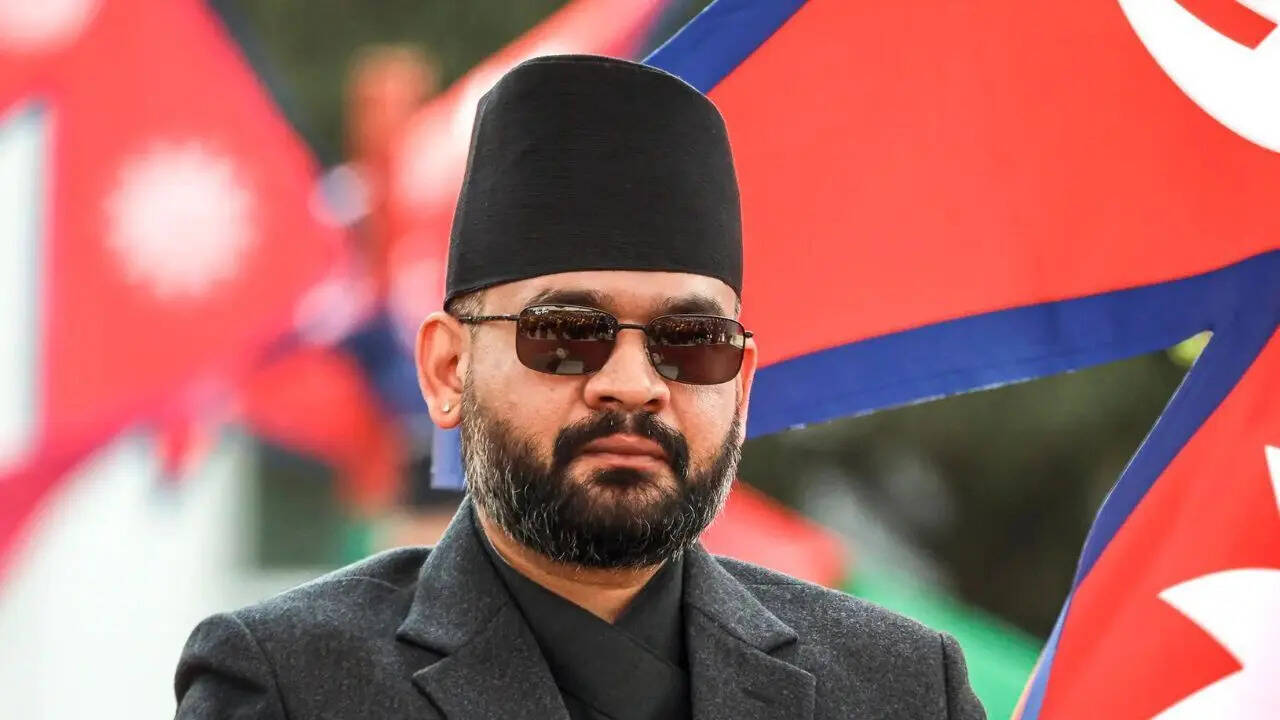
Nepal’s Prime Minister Balendra Shah, popularly known as Balen, is facing growing scrutiny just two months into his tenure as his ambitious 100-point governance reform agenda shows signs of delay. The reform plan, unveiled after his March 27 swearing-in, promised sweeping changes such as downsizing federal ministries, merging financially strained boards and committees, and depoliticising civil servants and teachers. Additional proposals included implementing recommendations from the Gauri Bahadur Karki-led commission, reviving stalled projects, digitising investment services, and developing a long-term energy export strategy. However, a government tracker website indicates that most of these promises are already marked “overdue,” raising concerns about the pace of delivery from a leader who rose to power on a wave of youth-driven public expectation.
The pressure on Balen has intensified due to cabinet instability, legal controversies, and criticism of his governing style. Within 30 days of taking office, two ministers resigned: Labour Minister Deepak Sah was recalled after appointing his spouse to the Health Insurance Board, and Home Minister Sudan Gurung stepped down amid allegations of links to a businessman under investigation. Public reaction to these departures has been sharp. Michael Tamang, a Gen Z Nepali, questioned the government’s ability to find capable replacements, asking, “Are there no capable ministers in Parliament who can take over the post?”
Legal controversies have also overshadowed the administration. The government’s decision to implement the Karki Commission report—originally issued by the interim government under former Prime Minister Sushila Karki—has drawn criticism for lacking clear legal grounding. The arrests of former Prime Minister KP Sharma Oli and former Home Minister Ramesh Lekhak without proper documentation sparked legal and political backlash. Similarly, Nepali Congress leader Deepak Khadka was released after prolonged detention due to insufficient evidence, further fuelling concerns over due process.
Balen’s government, which holds a two-thirds majority in the Lower House, lacks representation in the National Assembly—a key legislative body for passing laws and amendments. To bypass this hurdle, the government issued eight ordinances, including measures to dissolve civil service trade unions and student organisations in universities. The Supreme Court stayed these ordinances following protests by employees and students. Balen defended the moves in a social media post, arguing that banning party flags in schools and bureaucracy would “strengthen professional freedoms” and prevent partisan influence. He stated that transfers and promotions should be based on procedure and competence, not party affiliation.
Another major flashpoint is the government’s nationwide anti-eviction drives, which have displaced thousands. According to officials, around 4,000 structures belonging to landless people have been demolished in the Kathmandu Valley alone, affecting at least 15,000 individuals. Protesters from the National Landless Squatters Front gathered at Maitighar Mandala, holding signs like “No Balen government, no bulldozer” and demanding compensation and justice. Critics argue that the evictions have targeted some of Nepal’s poorest residents without proper identification, consultation, or rehabilitation plans. International human rights groups, including Amnesty International, and UN experts have criticised the campaign, raising concerns over due process and humanitarian impact.
Balendra Shah’s leadership style has also come under scrutiny. During his election campaign, he spoke publicly for just 27 minutes, yet his silence in office has drawn sharp criticism. He has neither addressed the nation nor held a press conference since taking office. He walked out midway through the President’s address outlining government policies and later skipped Parliament without notice. Opposition parties repeatedly disrupted parliamentary proceedings, demanding his presence. Even members of his own Rashtria Swatantra Party, such as Ashika Tamang and Amresh Kumar Singh, have publicly questioned his absence. Singh warned that Nepali democracy could begin to resemble the “Pakistan model,” where the executive remains largely unaccountable to the legislature. While supporters argue that previous leaders spoke endlessly without delivering results, critics stress that a prime minister’s constitutional and political duty includes accountability to Parliament.
On the diplomatic front, Balen has reportedly decided not to undertake any foreign tours for at least a year and will only meet visiting dignitaries of ministerial rank or higher. Meanwhile, stricter enforcement of customs duties on goods brought from India across the 1,750-kilometre open border has triggered protests. Nepal has imposed mandatory duties on goods worth more than Rs 100 (about Rs 63), with levies ranging from 5% to 80%. For decades, Nepalis routinely crossed into Indian border towns to purchase essentials, a practice now disrupted by the new enforcement, sparking public anger.
As Nepal’s youngest-ever prime minister, Balendra Shah’s leadership is at a crossroads—his reform promises face mounting delays, legal challenges, and public discontent, testing both his administration’s resolve and the durability of the youth-led political shift that brought him to power.