West Bengal’s 2026 Election: How Anti-Incumbency, Not Ideology, Propelled BJP’s Historic Rise
मुख्य बातें
- •The BJP won 207 seats in West Bengal’s 2026 Assembly polls with 45.84% vote share, defeating the TMC which secured 80 seats and 40.8% vote.
- •The Left-Congress combine was reduced to 7.42%, marking the collapse of Bengal’s traditional political alternatives.
- •The BJP’s rise was gradual, driven by organizational expansion and the erosion of Left-Congress support due to TMC dominance and political violence.
- •Analysts argue the BJP’s victory was driven by anti-incumbency and protest voting rather than ideological Hindutva consolidation.
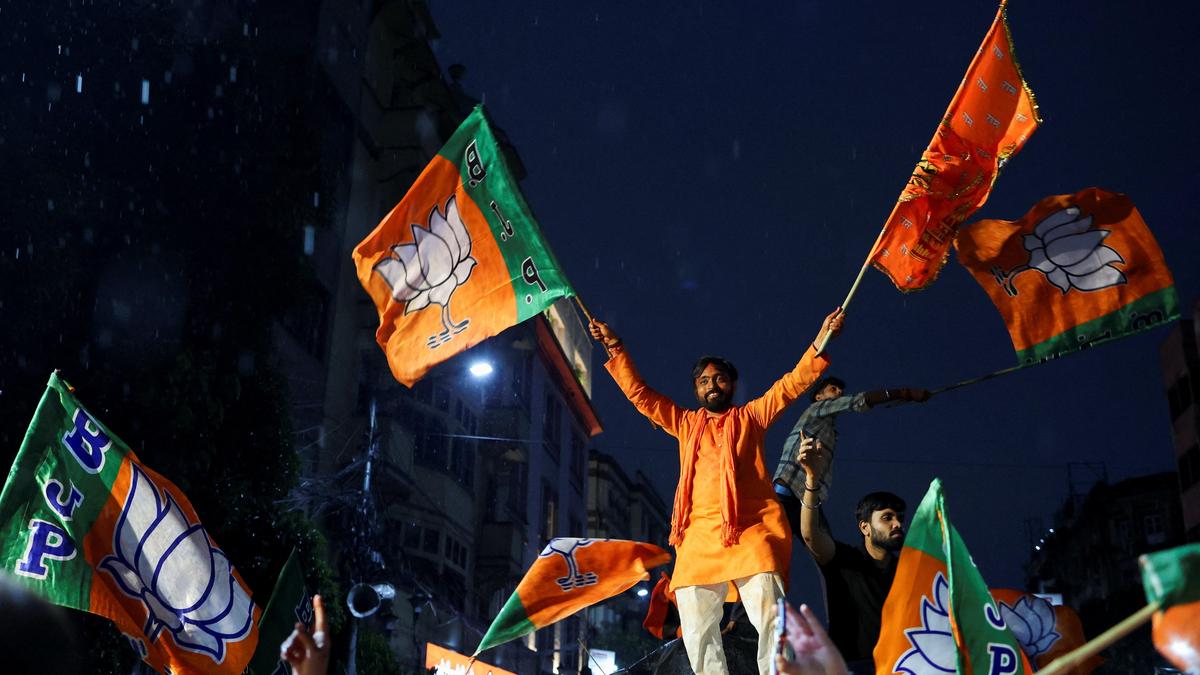
The 2026 West Bengal Assembly election marked a seismic shift in the state’s political landscape, ending decades of Trinamool Congress (TMC) dominance and propelling the Bharatiya Janata Party (BJP) to a historic victory. From the colonial-era Writers’ Building in Kolkata to the state secretariat at Nabanna in Howrah, the visual symbolism of saffron lighting across government buildings underscored not just a change in ruling party, but a deeper rupture in Bengal’s political identity. The BJP secured 207 of 294 seats with 45.84% of the vote, a sharp increase from its 2021 performance, while the TMC was reduced to 80 seats and 40.8% vote share. The Left Front and Congress, once dominant forces, were nearly wiped out, combining for just 7.42% of the vote.