
Chardham Yatra: Pilgrims Leave Behind 288 Tons of Plastic in the Himalayas, Causing Severe Environmental Damage
मुख्य बातें
- •During the Chardham Yatra, pilgrims left behind approximately **288 tons of plastic waste** in the Himalayan regions.
- •Plastic waste is accelerating the melting of glaciers and causing damage to biodiversity.
- •The government has imposed a ban on the use of plastic, but the amount of waste is so large that efforts are proving inadequate.
- •Experts say that solving this problem requires all parties to work together.
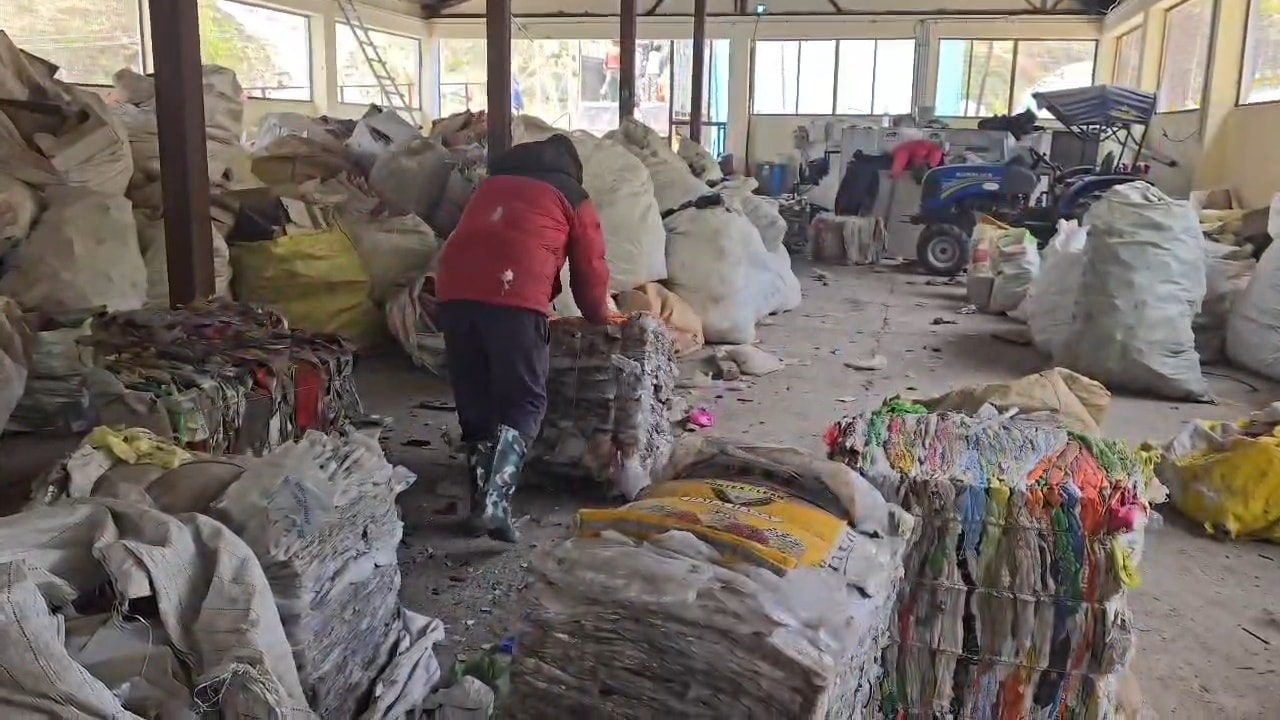
The Chardham Yatra (Kedarnath, Badrinath, Gangotri, Yamunotri) in Uttarakhand has severely impacted the sensitive ecosystem of the Himalayas due to the plastic and other waste left behind by pilgrims. A recent survey revealed that during this year's yatra period, pilgrims discarded approximately 288 tons of plastic waste in the glacier regions and surrounding areas of the Himalayas. This waste not only pollutes the environment but also accelerates the melting of glaciers, posing a threat to the region's biodiversity. Local administration and environmentalists stated that plastic bottles, packets, thermacol, and other waste materials are found in large quantities along the Chardham Yatra routes. Specifically, in high-altitude areas like Gangotri and Yamunotri, waste disposal has become a significant challenge due to the cold climate and difficult terrain, making waste management difficult. Environmentalist Dr. Ravi Chopra explained that plastic pieces take a long time to decompose and gradually mix with soil and water sources, spreading pollution. To address this issue, the Uttarakhand government and local administration have taken several steps. The government has imposed a ban on the use of plastic along the Chardham Yatra routes and launched campaigns to raise awareness among pilgrims about environmental conservation. Additionally, special waste collection teams have been deployed to collect waste regularly. However, these efforts are still proving inadequate in the face of such a large amount of waste. Experts say that a long-term solution to this problem is only possible when pilgrims, local residents, and the administration work together. People need to be encouraged to avoid using plastic and dispose of waste properly.