Impact of Iran Conflict: Surat's Textile Industry Limited to Just One Shift
मुख्य बातें
- •Surat's textile industry is facing a sharp decline in production due to the Iran conflict.
- •Many factories are now operating only one shift, whereas previously they ran two to three shifts.
- •Delays in raw material supply and a reduction in export orders are causing significant financial losses to the industry.
- •While the Gujarat government is working to identify alternative export markets, industrialists remain concerned.
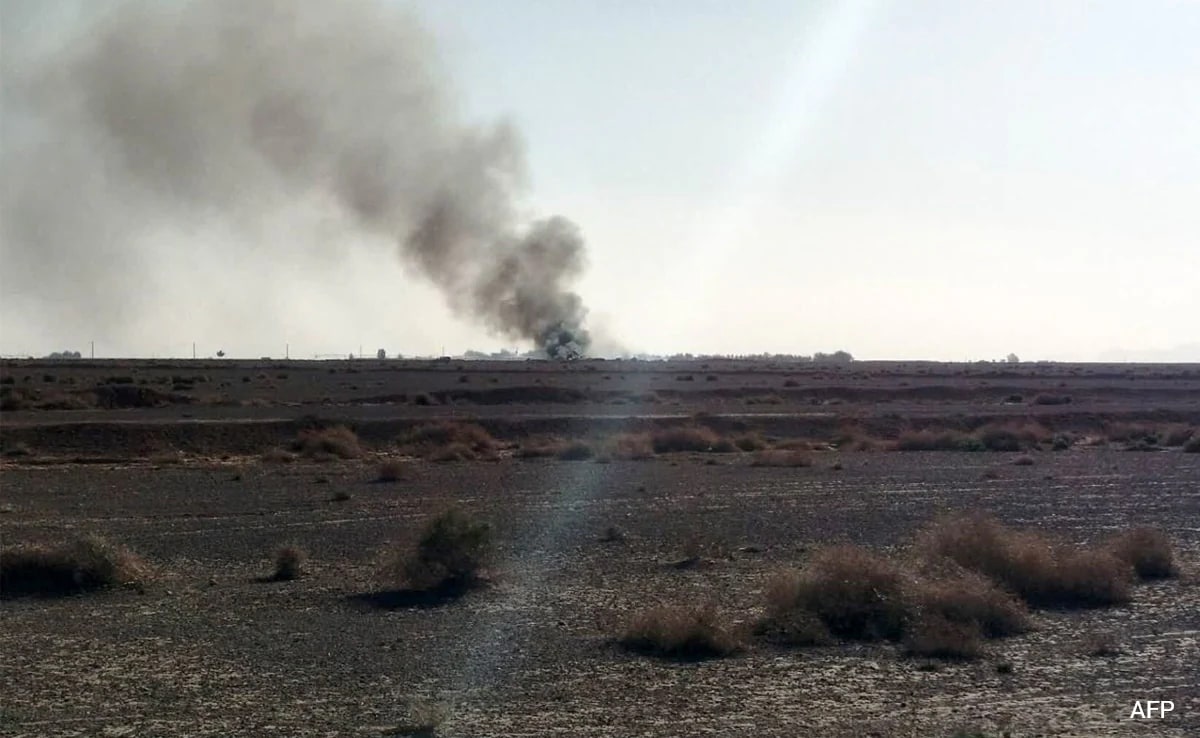
Surat, known as India's textile capital, is bearing the brunt of the ongoing conflict in Iran. According to local industrialists and traders, production in Surat's textile industry has been significantly affected over the past few weeks due to rising tensions with Iran. The situation has become so severe that many factories are now operating only one shift, whereas previously they ran two or three shifts.
Prominent textile trader Rahul Shah explained that disruptions in trade relations with Iran have impacted the supply of raw materials. He said, "Some raw materials like polyester fiber and chemicals that arrive from Iran are no longer reaching on time. This has affected our production." He added that several factories have started laying off workers, casting a shadow of uncertainty over local employment.
Additionally, exporters are facing severe challenges. Demand for textiles exported from Surat to countries like Iran, which hold a significant share in the city's exports, has declined. Traders report that many orders have been canceled or delayed due to political instability and international sanctions in Iran. This is not only causing financial losses to the industry but also affecting India's textile sector's reputation globally.