•India and Australia co-chaired the second Defence Ministers’ Dialogue in New Delhi, reviewing progress since October 2023.
•A Joint Maritime Security Collaboration Roadmap was finalised, focusing on patrol aircraft, undersea surveillance, and closer Coast Guard ties.
•India will join Exercise Kakadu (2026), Talisman Sabre (2027); Australia will participate in Exercise Milan and Pitch Black.
•Defence trade mission to India and a 2025 Defence Industry Roundtable were announced to boost industrial collaboration.
•Joint research in sensor technologies and India’s participation in the 2026 Australian Defence Science Summit were agreed.
•Ministers reaffirmed support for freedom of navigation, Quad maritime initiatives, and building a common operational picture.
•Training cooperation will increase with an Indian instructor joining the Australian Defence College.
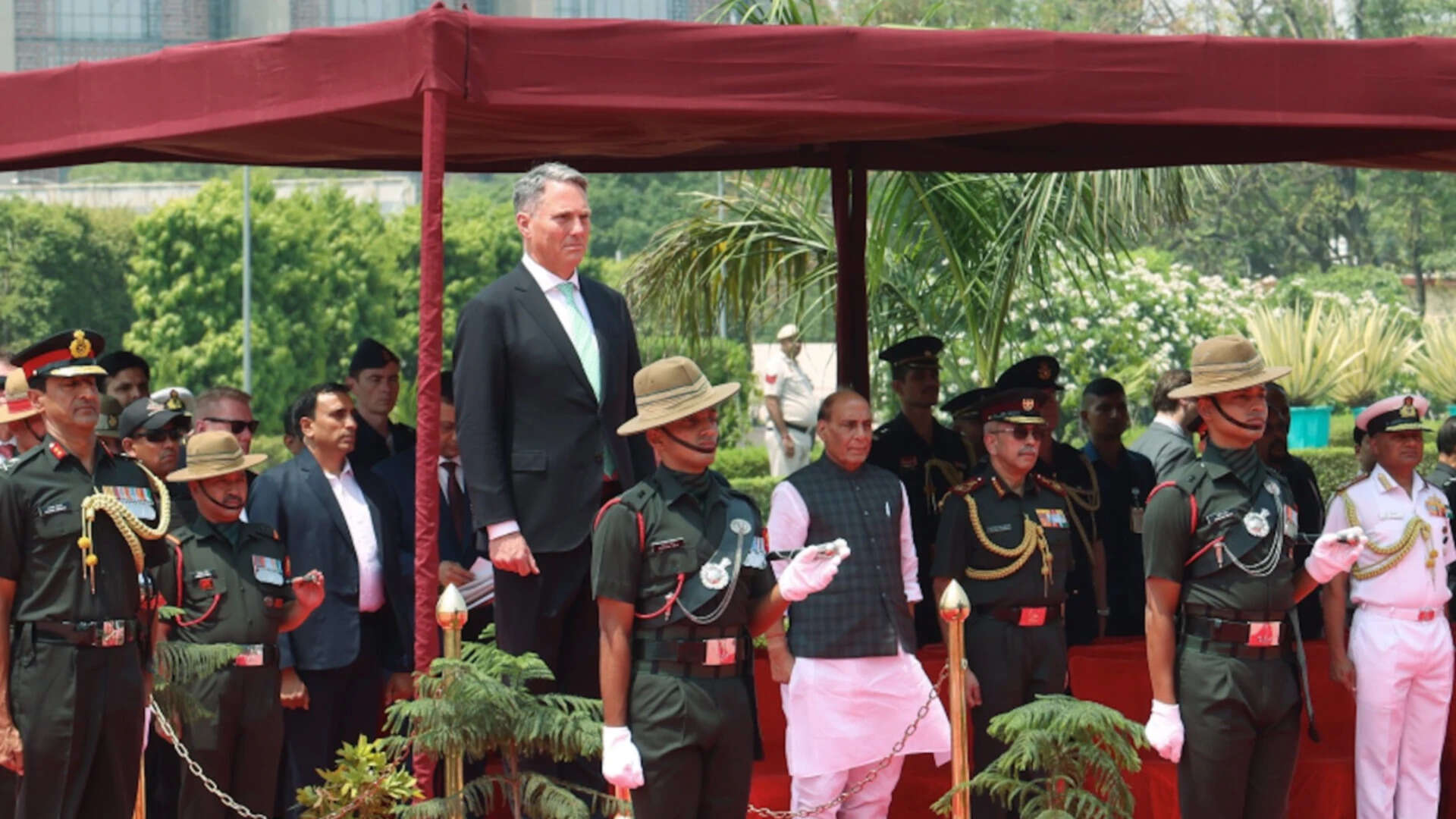
New Delhi: In a significant move to consolidate their Comprehensive Strategic Partnership, India and Australia held the second India-Australia Defence Ministers’ Dialogue in New Delhi on Wednesday. The meeting was co-chaired by India’s defence minister and Australia’s deputy prime minister and defence minister, Richard Marles. The dialogue reviewed progress since the inaugural session held in Australia in October 2023 and underscored the importance of deepening defence and security cooperation across multiple domains.
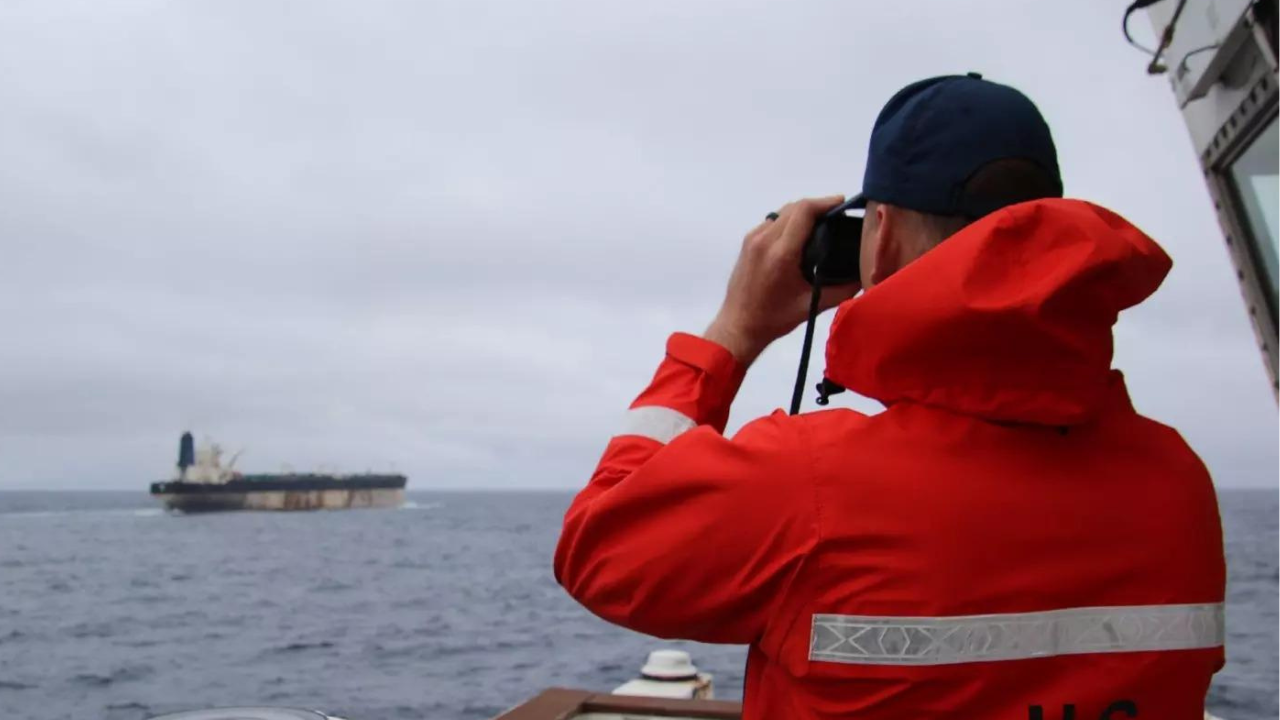
A key outcome of the discussions was the finalisation of a Joint Maritime Security Collaboration Roadmap. This initiative aims to enhance maritime domain awareness through increased use of patrol aircraft and improved undersea surveillance capabilities. Both nations also agreed to strengthen cooperation between the Indian Coast Guard and Australia’s Maritime Border Command, reflecting their shared commitment to securing vital sea lanes in the Indian Ocean Region (IOR). As co-leads of the Indian Ocean Rim Association (IORA) Working Group on Maritime Safety and Security, India and Australia will jointly host a major search-and-rescue and tabletop exercise at the Maritime Rescue Coordination Centre in Chennai in June 2026.
Military engagement is set to expand significantly with several high-profile joint exercises on the horizon. India will participate in Exercise Kakadu in Australia in 2026 and Exercise Talisman Sabre in 2027, while Australia will join India’s multilateral naval exercise Milan. Additionally, the bilateral air-to-air refuelling arrangement is expected to become operational during Exercise Pitch Black. Ground forces will deepen ties through expanded amphibious exercises like Austrahind, India’s participation in Operation Render Safe, and Australia’s involvement in the submarine rescue exercise Black Carillon. These activities reinforce the operational readiness and interoperability of both armed forces in the Indo-Pacific.
Defence industrial collaboration emerged as another cornerstone of the dialogue. Australia’s first-ever defence trade mission to India, scheduled for 2025, was highlighted as a landmark step to boost defence industry partnerships. A Defence Industry Roundtable will also take place in 2025, facilitating direct engagement between defence industries of both countries. Looking ahead, joint research in sensor technologies was agreed upon, with India also slated to participate in the 2026 Australian Defence Science Summit. These efforts are expected to foster innovation and technological exchange in critical defence domains.
The ministers reaffirmed their commitment to freedom of navigation and overflight, in line with international law, and underscored the importance of Quad maritime surveillance initiatives. They emphasised building a common operational picture across the Indo-Pacific to address shared security challenges. Enhanced information sharing, upcoming Joint Staff Talks, and the establishment of secure communications channels were welcomed as steps to improve coordination and trust.
Training cooperation will see an Indian instructor deployed to the Australian Defence College, further strengthening educational and professional exchanges between the defence establishments. These initiatives reflect a broader trend of institutionalising defence diplomacy and capacity building between the two nations.
The dialogue reaffirmed the strategic importance of the India-Australia partnership in maintaining peace, stability, and prosperity in the Indo-Pacific. With concrete steps in maritime security, joint military exercises, defence industry engagement, and technological collaboration, both countries are laying the groundwork for a more integrated and resilient regional security architecture.