New Delhi, May 24, 2026 — The Indian government on Sunday issued a strong advisory urging citizens to avoid non-essential travel to the Democratic Republic of the Congo (DRC), Uganda, and South Sudan, following the World Health Organization’s (WHO) declaration of a public health emergency due to the Ebola outbreak caused by the Bundibugyo virus strain. The advisory, released by the Ministry of Health and Family Welfare, emphasized the need for heightened precautions among Indian nationals currently residing in or traveling to these high-risk countries.
The Ministry stated that no cases of Ebola linked to the Bundibugyo strain have been reported in India so far. However, it strongly advised travelers to follow local public health guidelines, avoid contact with symptomatic individuals, and seek immediate medical attention if fever or related symptoms develop. The advisory also highlighted that countries bordering the DRC and Uganda, including South Sudan, are at high risk of disease transmission. Currently, there are no approved vaccines or specific treatments for the Bundibugyo Ebola strain, underscoring the urgency of the situation.
The WHO’s declaration came after the Africa Centres for Disease Control and Prevention (Africa CDC) officially declared the outbreak a Public Health Emergency of Continental Security (PHECS). WHO’s regional director for Africa warned on Friday that underestimating the risk could lead to the virus spreading beyond the DRC and Uganda, cautioning that even a single case could trigger a wider outbreak. This warning was echoed by WHO Director-General Tedros Ghebreyesus during the seventy-ninth World Health Assembly in Geneva on May 23, 2026, where he highlighted the global vulnerability to rapidly spreading infectious diseases, including Ebola and hantavirus.
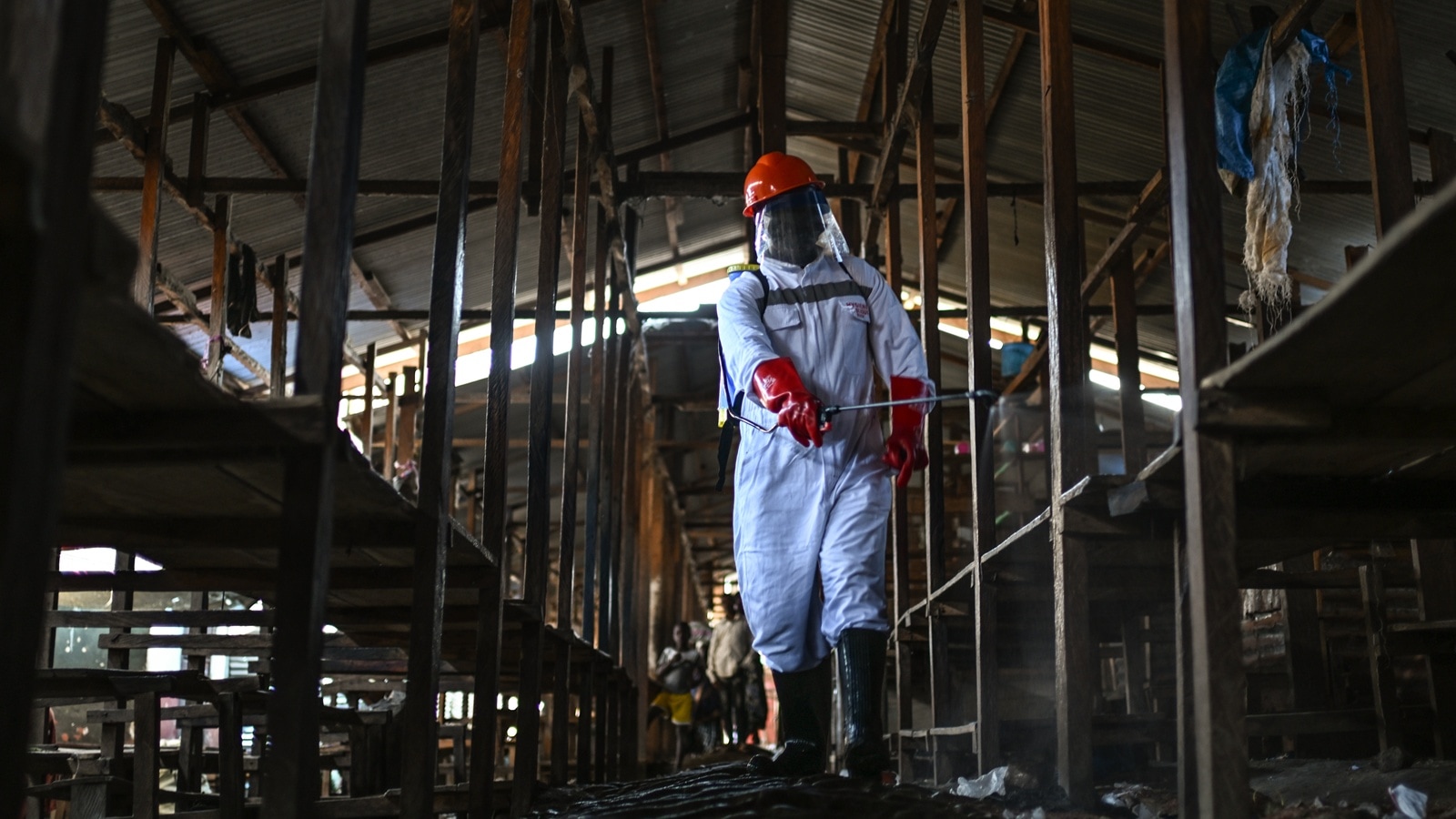
As of the latest reports, the Ebola outbreak has resulted in 160 suspected deaths out of 670 suspected cases, with 61 cases confirmed, according to data released by the DRC’s health ministry on May 22, 2026. The outbreak has now spread to three provinces in the DRC, with the first case confirmed in South Kivu. Neighboring Uganda has reported two confirmed cases, including one death, after individuals traveled from the DRC. The Africa CDC’s declaration of a continental emergency underscores the severity of the situation.
The Ebola virus, a rare and often fatal bat-borne disease, spreads through contact with the body fluids of infected persons or animals, or through contaminated objects. In rare instances, airborne transmission has been observed. The WHO has noted that the average case fatality rate for Ebola is around 50%, though this rate has varied widely from 25% to 90% in past outbreaks. Given the absence of a vaccine or cure for the Bundibugyo strain, global health authorities are emphasizing the need for rigorous surveillance and preventive measures.
In response to the outbreak, India had already issued a health advisory on May 21, 2026, requiring passengers arriving from or transiting through Ebola-affected countries to report to airport health authorities if they exhibit symptoms or have a history of exposure before clearing immigration. Governments worldwide are tightening border screening and quarantine protocols as part of broader efforts to contain the spread of the virus.
The WHO has also issued temporary recommendations to strengthen disease surveillance, including the assessment and management of travelers arriving from areas with reported Bundibugyo virus detection. The global health agency has discouraged all non-essential travel to regions with documented cases of the Bundibugyo strain, further highlighting the need for international cooperation in managing this public health crisis.
With the situation evolving rapidly, health authorities in India and across the globe are closely monitoring developments to prevent further spread of the virus and protect public health.