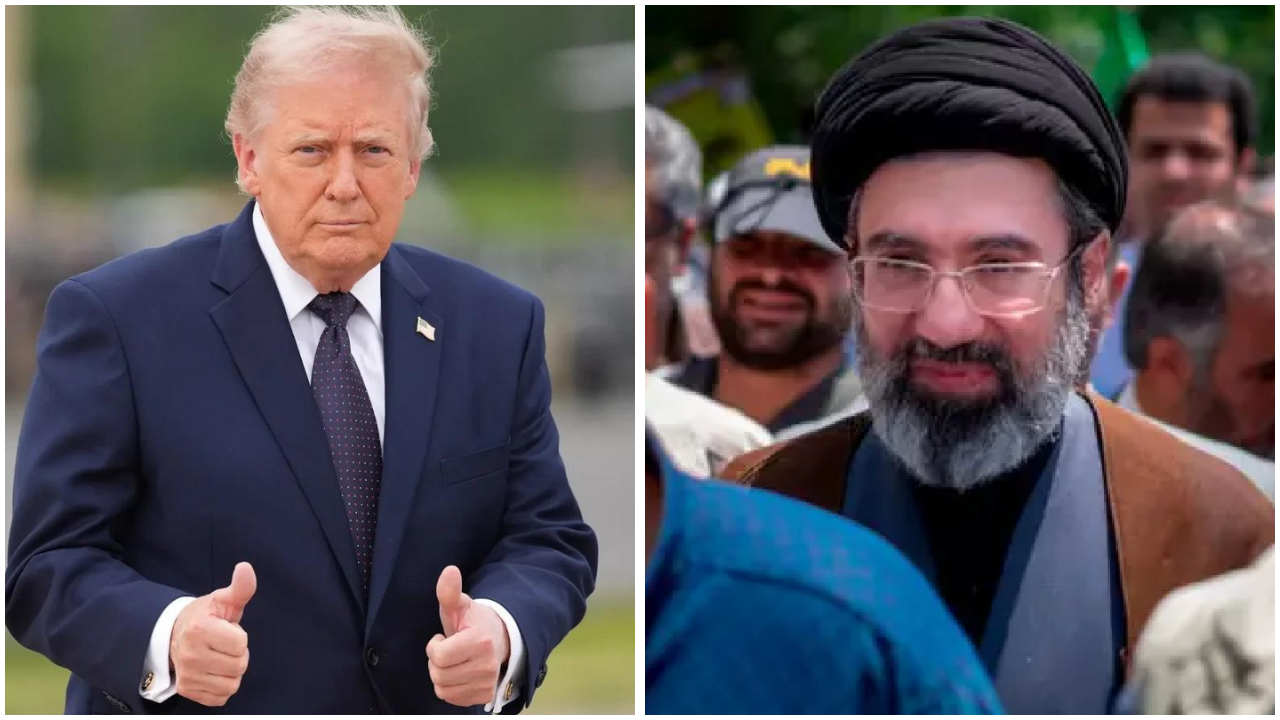
A breakthrough appears imminent in the US-Iran conflict after Iran agreed in principle to relinquish a significant portion of its highly enriched uranium stockpile as part of a proposed framework agreement aimed at ending months of hostilities and reopening the strategically vital Strait of Hormuz. According to a report by *The New York Times* citing two unnamed US officials, Tehran has made a general commitment to give up its enriched uranium reserves, though the exact mechanism—such as transferring the material to Russia or converting it to a lower enrichment level—will be negotiated during formal nuclear talks to follow.
The uranium issue has been a cornerstone of Washington’s demands throughout the negotiations. Iran had initially resisted including it in early-stage discussions, preferring to defer the matter to later phases. However, US negotiators reportedly conveyed through intermediaries that failure to make an initial commitment could lead Washington to walk away from talks and resume military operations. Military planners had recently developed options for President Donald Trump, including bunker-busting airstrikes and even a potential joint US-Israeli commando raid targeting Iran’s uranium stockpile, believed to be stored primarily underground at the Isfahan nuclear facility. The International Atomic Energy Agency estimates Iran possesses around 970 pounds of uranium enriched to 60 percent—enough, according to Israeli officials, to fuel multiple nuclear weapons if further enriched.
On May 23, 2026, President Trump announced on Truth Social that a deal had been “largely negotiated,” though he emphasized it was “subject to finalisation.” The draft framework, he said, includes reopening the Strait of Hormuz and launching fresh nuclear negotiations over the next 30 to 60 days. Trump also revealed that leaders from several West Asian countries—including Saudi Arabia, the United Arab Emirates, Qatar, Egypt, Jordan, and Bahrain—had participated in a call to discuss the agreement. He separately spoke with Israeli Prime Minister Benjamin Netanyahu, calling the conversation “very well.”
Iranian officials, however, have struck a more cautious tone. Foreign Ministry spokesperson Esmaeil Baghaei described the proposed understanding as a “framework agreement” composed of 14 clauses and a “memorandum of understanding pertaining to peace,” but stressed that nuclear issues are not part of the immediate negotiations. Iran’s chief negotiator, Mohammad Bagher Ghalibaf, warned that any resumption of hostilities would trigger a “crushing and bitter” response from Iranian forces, which he said have been rebuilt during the ceasefire period. Ghalibaf made the remarks during a meeting in Tehran with Pakistan’s army chief, Field Marshal Asim Munir, who is playing a key role in mediation efforts.
The conflict erupted in late February 2026 after US and Israeli strikes on Iran, and while a ceasefire has largely held since mid-April, tensions remain dangerously high. The Strait of Hormuz—a critical chokepoint for global oil shipments—remains closed, disrupting energy supplies worldwide. Iran continues to demand the lifting of sanctions and unfreezing of assets as part of any long-term settlement. Iranian Foreign Minister Abbas Araghchi, in a call with UN Secretary-General António Guterres, accused Washington of repeated betrayals, military aggression, and contradictory demands, while also engaging in diplomatic outreach with Turkey, Iraq, Qatar, and Oman.
Regional leaders are actively involved in brokering a resolution. Qatari Emir Sheikh Tamim bin Hamad Al Thani spoke with Trump, Saudi Crown Prince Mohammed bin Salman, and UAE President Sheikh Mohamed bin Zayed, with an official statement emphasizing efforts “to calm the situation and promote political solutions.” Meanwhile, fighting has not fully ceased elsewhere: Lebanese state media reported Israeli strikes in southern Lebanon on May 23, despite the April 17 ceasefire.
Amid the fragile state of “neither war nor peace,” ordinary Iranians face mounting uncertainty. One resident in Tehran, Shahrzad, expressed fear that renewed conflict could disrupt her new job and force her to flee the city again. The proposed framework offers cautious hope, but both sides acknowledge that critical details—including the fate of Iran’s uranium stockpile and the full restoration of Strait of Hormuz access—remain unresolved. Final negotiations are underway, with a potential announcement expected in the coming days.