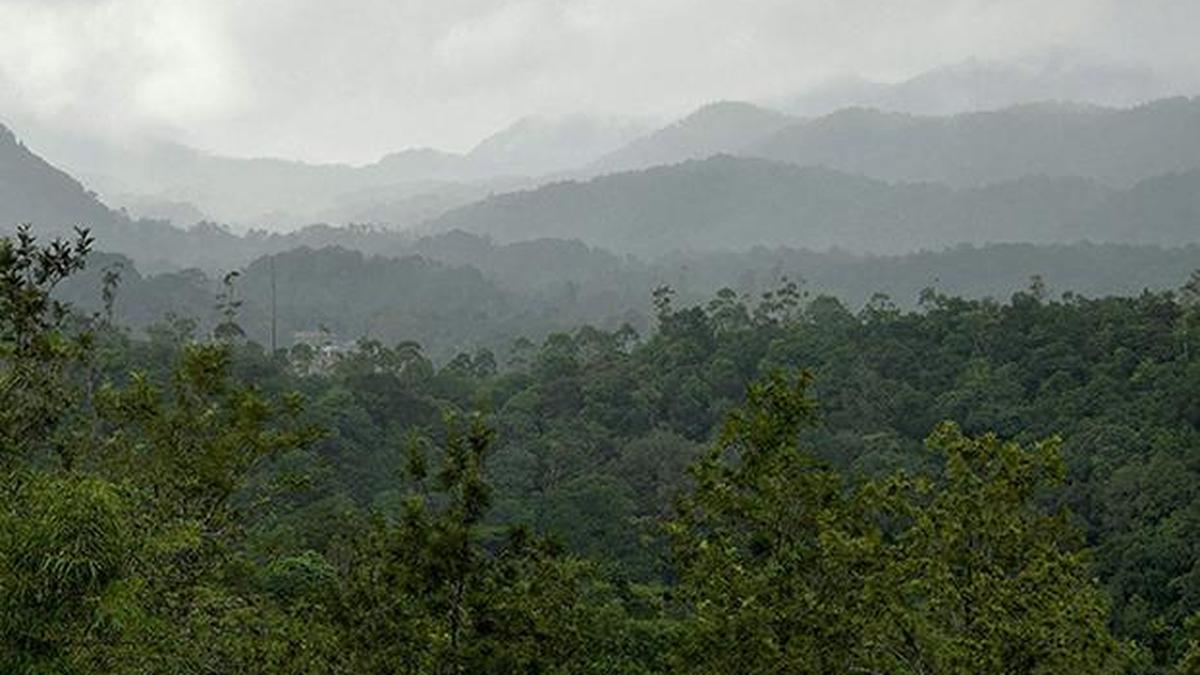
Thiruvananthapuram, May 24, 2026: The Kerala State Biodiversity Board (KSBB) has launched a pioneering initiative called the ‘Model Biodiversity-Friendly Villages’ project, aimed at integrating biodiversity conservation into grassroots development. The announcement came during a high-level State workshop held in Thiruvananthapuram on May 22, coinciding with the International Day for Biological Diversity. The workshop brought together officials, policymakers, and representatives from local institutions to discuss strategies for strengthening biodiversity conservation across Kerala.
The event focused on several key areas, including climate-resilient agricultural biodiversity, nature-based solutions such as wetland restoration and native forest regeneration, and the adoption of the ‘One Health’ approach, which emphasizes the interconnectedness of human, animal, and environmental health. Participants also highlighted the crucial role of local self-government institutions in managing and sustaining biodiversity at the grassroots level. A central theme of the discussions was aligning local conservation efforts with international and national frameworks, including the Kunming-Montreal Global Biodiversity Framework, the National Biodiversity Strategy and Action Plan, and the Kerala State Biodiversity Strategy and Action Plan 2025-35.
Inaugurating the workshop, Kerala’s Health and Devaswom Minister K. Muraleedharan underscored the state government’s commitment to supporting projects that harmonize environmental protection with developmental activities. He emphasized that greater priority would be given to biodiversity conservation programs led by local self-government bodies in partnership with the KSBB. This approach, he said, would ensure that conservation efforts are locally driven, sustainable, and aligned with developmental needs.
The workshop saw active participation from representatives of 14 district biodiversity management committees and 45 model biodiversity management committees from across Kerala. These committees play a vital role in implementing biodiversity conservation plans at the local level, ensuring that initiatives are tailored to the ecological and socio-economic context of each region.
The ‘Model Biodiversity-Friendly Villages’ project is expected to serve as a model for other states in India, showcasing how biodiversity conservation can be integrated into rural development. By promoting nature-based solutions and fostering collaboration between government agencies, local bodies, and communities, the initiative aims to position Kerala as a leader in biodiversity conservation in the country.
The KSBB’s initiative reflects a growing recognition of the importance of biodiversity not only for ecological sustainability but also for climate resilience and public health. With climate change posing increasing threats to ecosystems, such integrated approaches are critical for safeguarding Kerala’s rich biological heritage while supporting sustainable livelihoods.