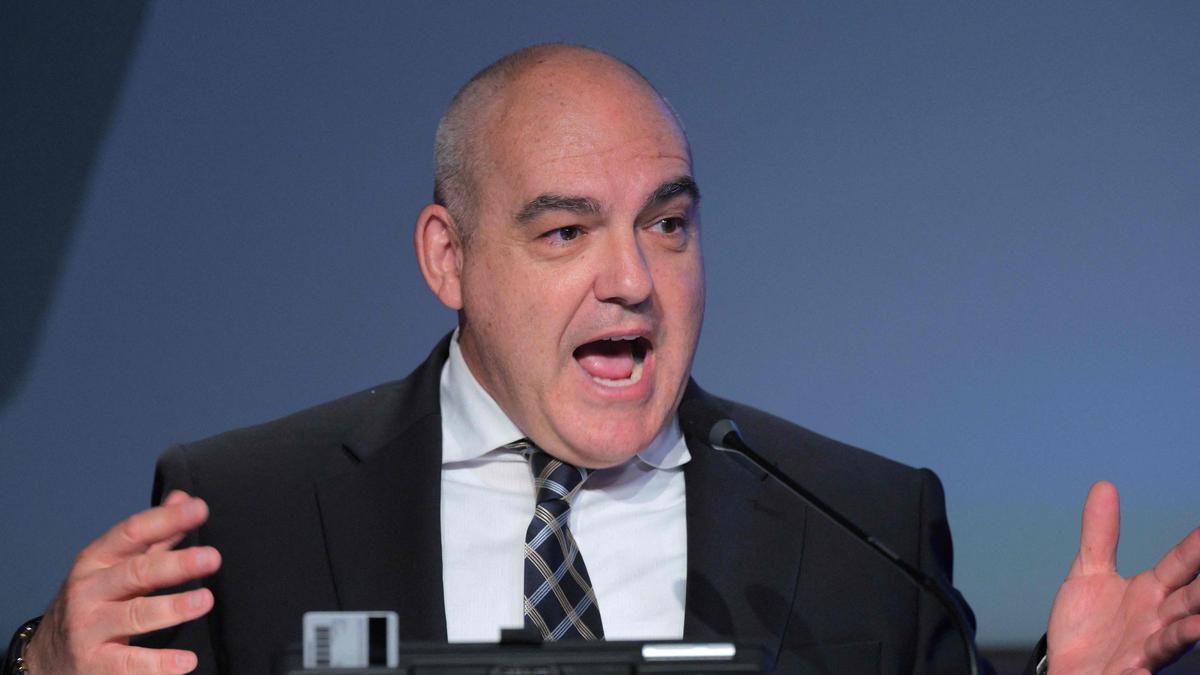
OpenAI chief executive Sam Altman has poured cold water on the idea of orbiting data centres, arguing that floating underwater computing hubs could prove far simpler to construct and cool than facilities deployed in space. Speaking on the technology podcast TBPN, Altman told Benzinga: “I wish Elon luck,” but added that ocean robotics researchers are not yet focused on underwater computing systems. “It feels easier than constructing space data centers,” he said, acknowledging that while space offers freedom from land and regulatory constraints, the energy supply and infrastructure challenges remain “formidable.”
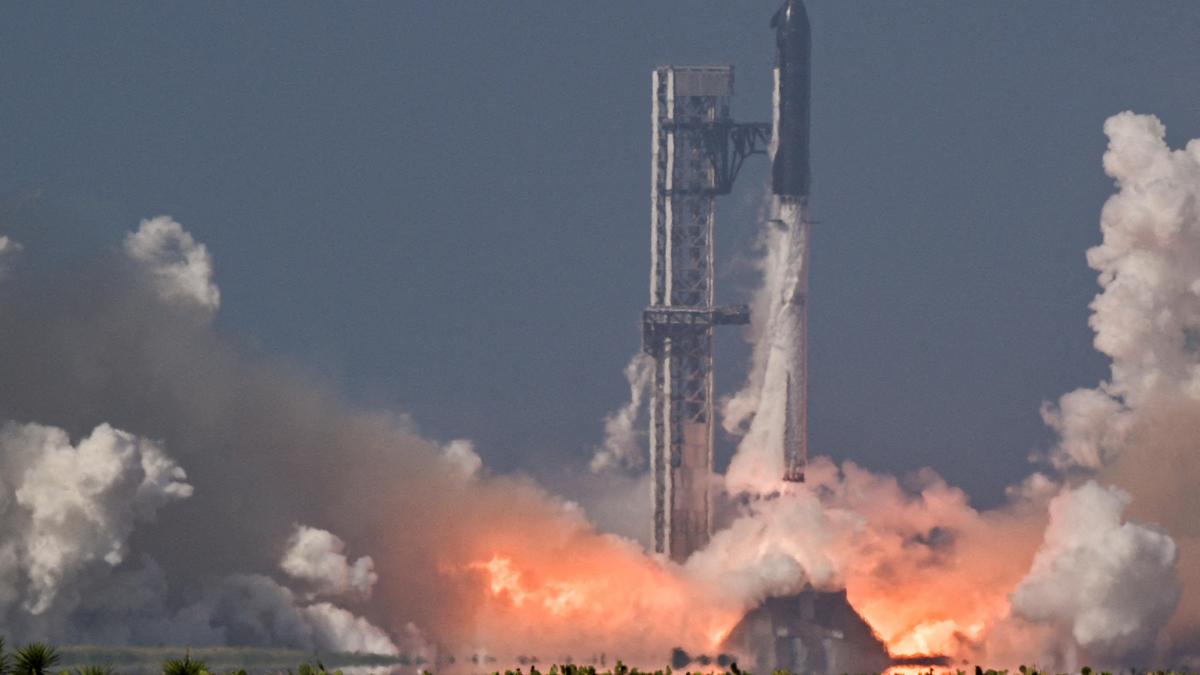
Altman’s scepticism comes at a time when Elon Musk’s SpaceX is openly pursuing long-term orbital computing ambitions, with industry chatter pointing to an eventual public listing that could fund such projects. Separately, Google has explored prototypes under its internal “Project Suncatcher,” which could see small computing satellites launched as early as 2027. The remarks underline a widening debate across the AI industry about where next-generation infrastructure will be built as demand for computing power explodes.
The surge in AI workloads is straining power grids, chip supply chains, and cooling systems, prompting companies to look beyond traditional brick-and-mortar data centres. While Amazon, Microsoft, and Google continue to expand land-based facilities, Musk and others are eyeing orbital systems as a radical alternative. Analysts say investment ties between AI and aerospace are deepening: Deloitte projects U.S. defence spending on AI will grow 3.5 times by 2029, with contracts flowing to leading AI firms. Altman himself noted the cross-pollination, saying: “Everyone has diversified into every company at this point, basically.”
Recent reports suggest Google is now in active talks with SpaceX for a rocket-launch deal that would place orbital data centres in space. Citing unnamed sources familiar with the discussions, the Wall Street Journal says the pact would put the two companies “in partnership as they gear up to compete on orbital data centers, an unproven technology that SpaceX Chief Executive Elon Musk has said is the next frontier for his rocket company.” If finalised, the arrangement would mark a major step toward commercialising space-based computing.
Not everyone is convinced. ChatGPT-maker OpenAI’s CEO Altman is openly sceptical, favouring underwater infrastructure over orbital facilities. Both Google chief Sundar Pichai and Musk have publicly discussed space data centres in the past. In a Fox News interview last year, Pichai said: “We’ll send tiny racks of machines and have them in satellites, test them out, and then start scaling from there.” He added: “There’s no doubt to me that a decade or so away, we’ll be viewing it as a more normal way to build data centers.” Musk, meanwhile, has claimed that space will be the cheapest location for AI data centres within three years.
The contrasting visions highlight the tension between visionary engineering and practical feasibility. Orbital data centres promise virtually unlimited energy from solar arrays and freedom from terrestrial zoning laws, yet they face unsolved challenges in power transmission, orbital debris, and maintenance. Underwater facilities, by contrast, can draw on existing subsea cable networks and benefit from the ocean’s natural cooling, but must contend with corrosion, pressure, and environmental regulations.
Industry watchers say the debate is as much about corporate positioning as technology. Google and SpaceX are staking early claims in orbital computing, while Altman’s OpenAI appears to be hedging its bets by endorsing underwater solutions. With AI infrastructure demand showing no signs of slowing, the coming years will determine whether the final frontier—or the deep blue sea—hosts the next wave of data centres.