The Supreme Court of India on Saturday, May 23, 2026, took suo motu cognisance of the alleged dowry death of Noida-based model-turned-actor Twisha Sharma, registering a case amid serious allegations raised by her family regarding tampering of evidence, procedural irregularities, and institutional bias in the investigation. The three-judge Bench, comprising Chief Justice of India Surya Kant, Justice Joymalya Bagchi, and Justice Vipul M. Pancholi, has scheduled the matter for hearing on Monday, May 25, 2026. The top court’s intervention follows mounting demands from Sharma’s family for an impartial probe and scrutiny of phone records and other materials connected to the case.
Twisha Sharma, aged 33, was found dead at her matrimonial home in Bhopal’s Katara Hills on the night of May 12, 2026. She had married advocate Samarth Singh—son of retired district judge Giribala Singh—on December 25, 2025, and had relocated from Noida to Bhopal. Her family has alleged mental harassment, financial demands, and abetment to suicide against her husband and in-laws, including Giribala Singh. The allegations gained further traction after the family accused the accused of conducting a “posthumous character trial” of Sharma during media interactions, which they described as defamatory and distressing.
On May 15, 2026, police registered an FIR against Samarth Singh and Giribala Singh in connection with the alleged dowry death. A six-member Special Investigation Team (SIT) was constituted the following day to probe the matter. On May 17, Sharma’s family staged a dharna outside the official residence of Madhya Pradesh Chief Minister Mohan Yadav, seeking a meeting after their earlier attempts were unsuccessful. The sessions court in Bhopal rejected Samarth Singh’s bail plea on May 18, and a reward of Rs 10,000 was announced for information leading to his arrest. The reward was later increased to Rs 30,000 as police continued their search.
As public pressure grew, Sharma’s family met the Chief Minister on May 20, who assured them of seeking a Central Bureau of Investigation (CBI) probe. The same day, a Bhopal court rejected a plea for a second post-mortem examination, though the State government, on May 22, recommended a CBI investigation—two days after the Chief Minister’s meeting with the family. On the same day, the Madhya Pradesh High Court ordered a second autopsy by a specialised team from AIIMS Delhi, responding to the family’s persistent demands.
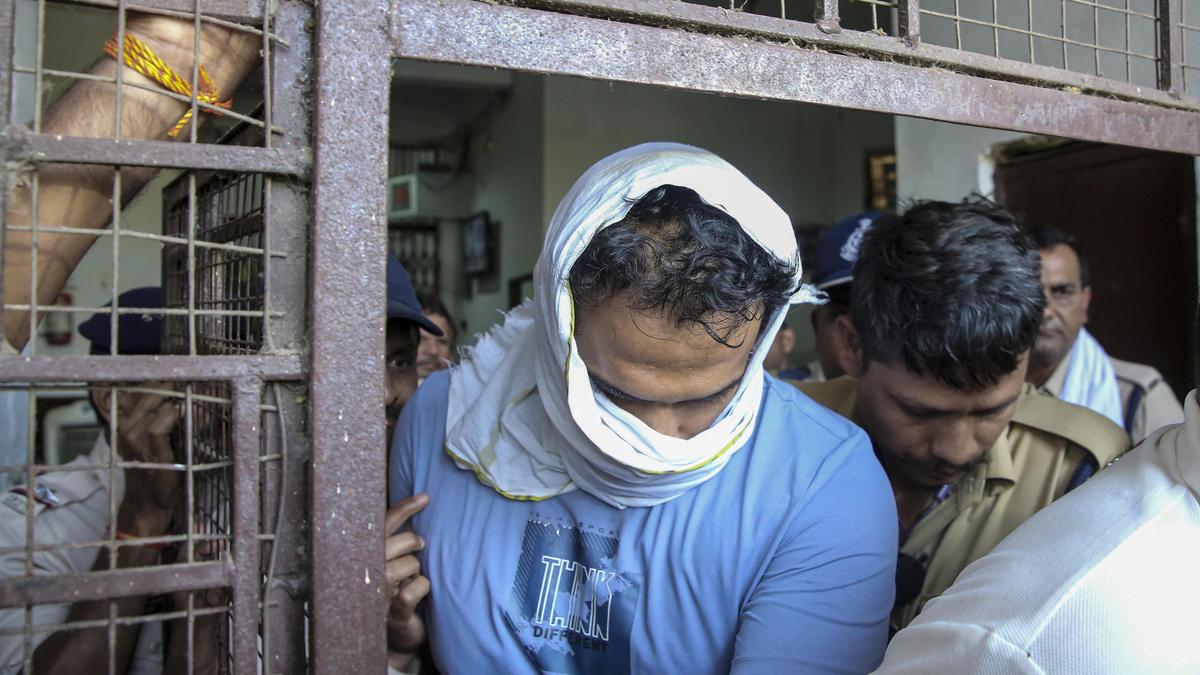
Samarth Singh, who had been absconding since the registration of the FIR, surrendered before the Jabalpur District Court on May 22 and was taken into police custody. His lawyer confirmed the development, stating that Singh had appeared to surrender in connection with the dowry death and harassment case. Meanwhile, police issued a third and final notice to Giribala Singh to record her statement, and Samarth Singh filed a fresh bail application before the court.
The Supreme Court’s decision to take suo motu cognisance underscores the seriousness of the allegations and the concerns surrounding the conduct of the investigation. The family has also raised issues of institutional bias and procedural lapses, further eroding trust in the local law enforcement agencies. The top court’s intervention signals a potential shift toward a more independent and transparent probe, especially in light of demands for the CBI’s involvement and the High Court’s directive for a second autopsy.
The case has drawn significant public attention, with Sharma’s family continuing to demand justice and accountability. The Supreme Court’s scheduled hearing on May 25 is expected to set the direction for the investigation and address the procedural and evidentiary concerns raised by the family.