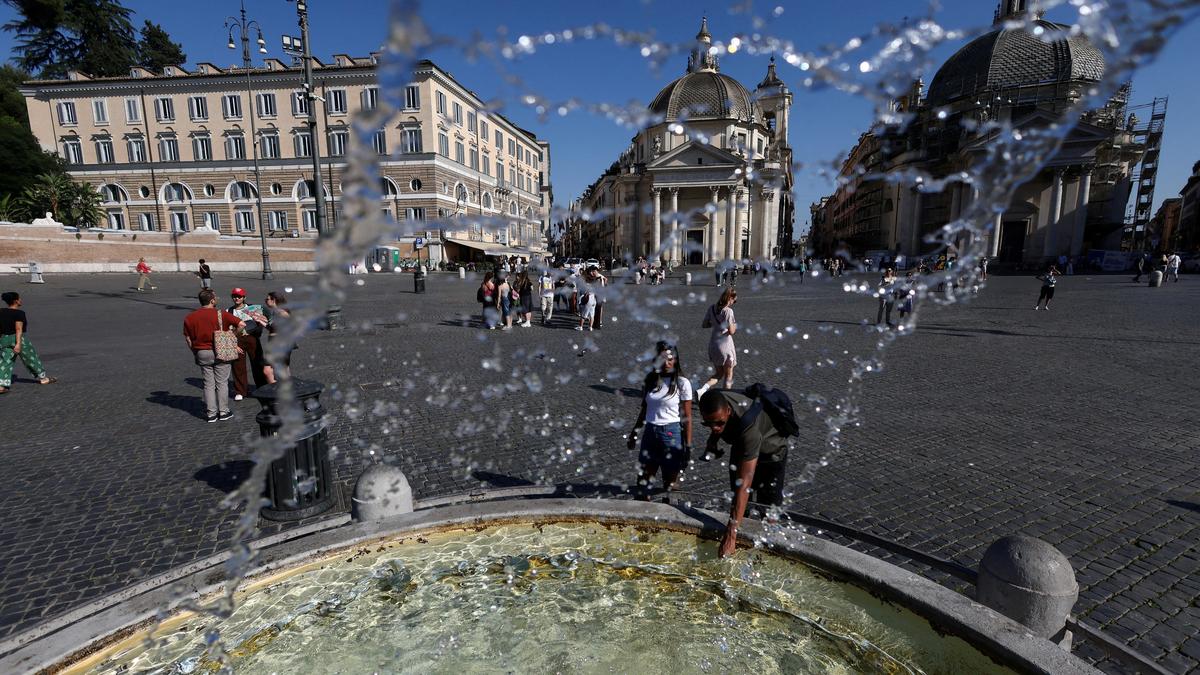
Delhi's Scorching Summer: A Vital Part of India's Natural Engine
मुख्य बातें
- •Delhi's intense summer heat is a vital part of India's natural engine, driving the monsoon and shaping agriculture, ecosystems, and human migration patterns.
- •The heat low, created over northwest India, acts like an atmospheric vacuum, drawing in moisture-laden winds from the Arabian Sea and Bay of Bengal.
- •Summer-fruiting trees, such as mahua, tendu, jamun, and ber, become critical nutritional sources for herbivores during the extreme summer.
- •Modern soil management adapts to the harsh summers by using cover crops and organic biomass to protect and enrich the soil.
- •Farming depends on the punishing interval between spring and rain, with the intense summer heat naturally suppressing several fungal diseases and insect populations.
- •Ecologists argue that summer heat reflects something fundamental about how life on Earth operates, driving photosynthesis, atmospheric circulation, ocean currents, and hydrological cycle.
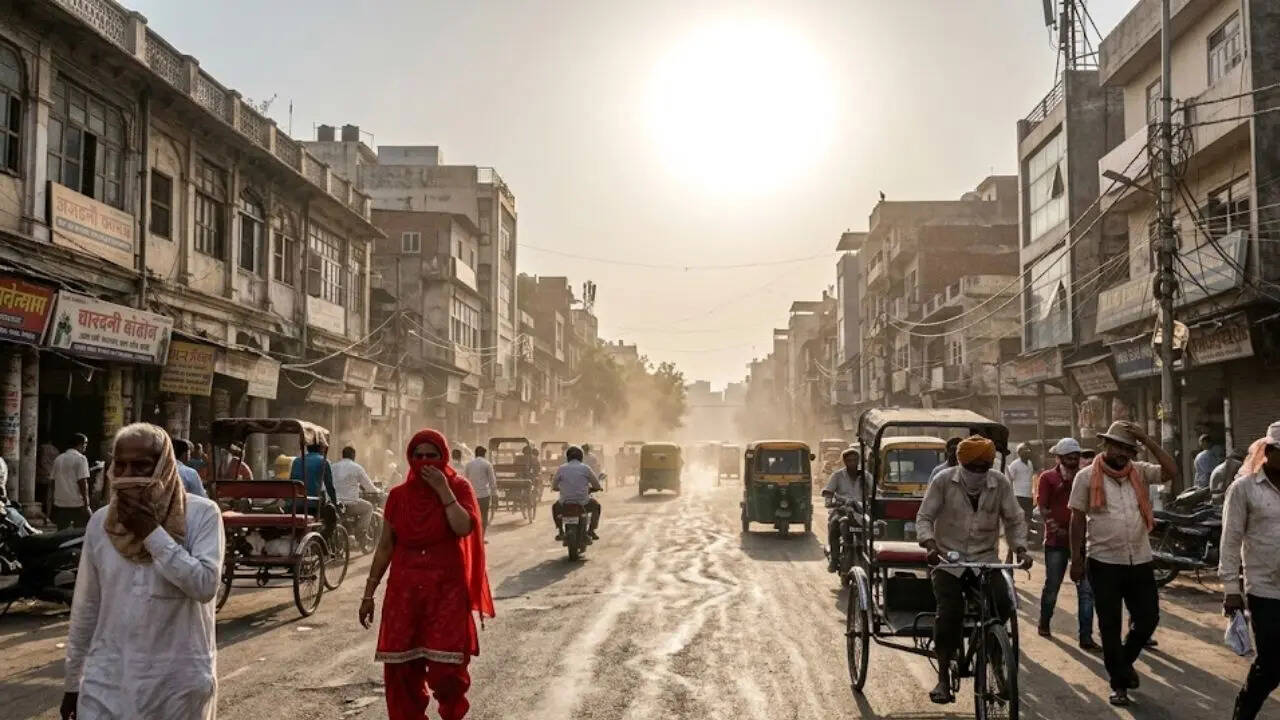
As the mercury soars past 45°C in Delhi and northwest India, it's easy to feel like the city is a furnace. However, beyond the discomfort and health risks associated with the heat, there's a more complex truth at play. Meteorologists, foresters, ecologists, and agricultural scientists point out that the intense summer heat is a vital part of India's natural engine, driving the monsoon and shaping agriculture, ecosystems, and human migration patterns.