•Over 52,000 Indians evacuated from Gulf countries within a week of the Iran-Israel conflict escalation, with numbers expected to rise.
•GCC economies built on stability, energy exports, global finance, and migrant labour face severe threats from prolonged conflict.
•Iran views GCC states as part of a U.S.-led security framework, partly due to Western military presence and the Abraham Accords.
•The Abraham Accords, signed in 2020, formalised peace between Israel and UAE/Bahrain, intensifying regional divisions.
•GCC’s economic pillars—stable trade, energy exports, and expatriate workforce—are at risk due to the ongoing crisis.
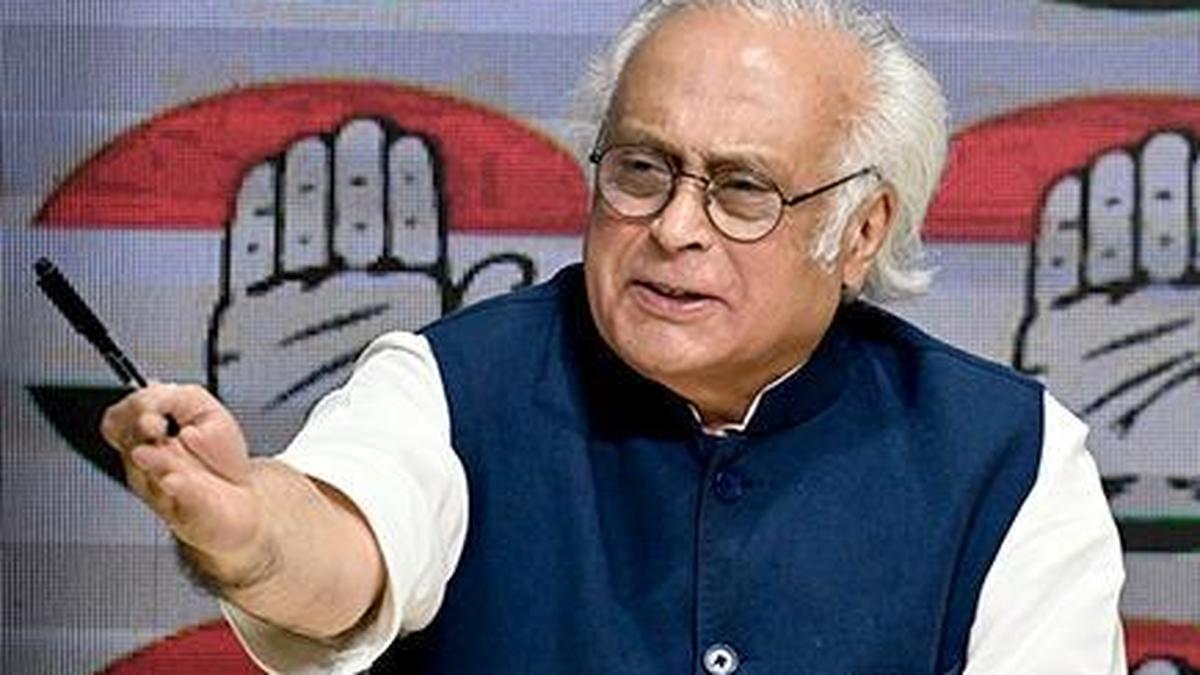
•India’s Ministry of External Affairs has issued repeated travel advisories for West Asia amid the escalating conflict.
•The conflict threatens global oil prices, supply chains, and financial stability if the situation continues to deteriorate.
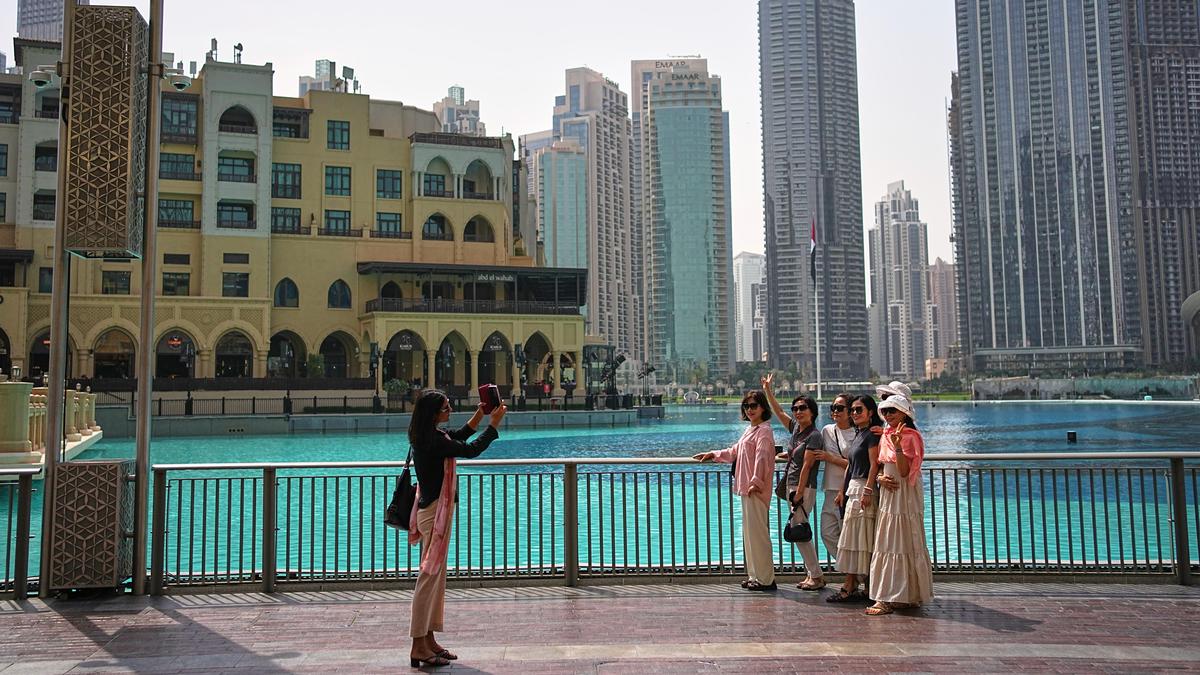
The escalation of hostilities between Iran and Israel over the past two weeks has cast a long shadow over the Gulf Cooperation Council (GCC) states, exposing vulnerabilities in a region long associated with economic prosperity, open trade, and rapid urban development. Once celebrated for its glittering airports, financial hubs like Dubai, and sprawling construction projects, the Gulf now faces an unprecedented crisis that threatens its very foundations. The conflict has not only raised military alarms but also exposed structural weaknesses in economies built on stability, energy exports, global finance, and massive migrant labour flows.
India has responded swiftly to the unfolding emergency. Within less than a week of the outbreak of hostilities, the Ministry of External Affairs confirmed that over 52,000 Indian nationals had already returned from Gulf countries under special evacuation arrangements. Indian authorities have indicated that the number of returnees could rise significantly in the coming days as the situation continues to deteriorate. The government has also issued repeated travel advisories for West Asia, underscoring the severity of the regional emergency and urging caution among citizens still in the area.
For the six GCC member states—Saudi Arabia, the UAE, Qatar, Kuwait, Oman, and Bahrain—the dangers are multidimensional. Their economic models depend heavily on stability, secure sea lanes for energy exports, and a vast network of global financial ties. Equally critical is their reliance on migrant labour, with over 25 million Asian workers currently employed across the GCC, making it one of the largest labour migration corridors in the world. A prolonged conflict could disrupt oil and gas shipments, destabilise financial markets, and trigger mass departures of expatriate workers, undermining the very pillars of Gulf prosperity.
Iran’s strategic calculus adds another layer of complexity. Tehran views several GCC monarchies not as neutral neighbours but as part of a broader U.S.-led security architecture in the region. This perception is shaped by the long-standing presence of Western military bases in Gulf states and the political momentum generated by the Abraham Accords—diplomatic agreements signed in 2020 that established formal normalisation between Israel and the UAE and Bahrain. From Iran’s perspective, such alliances with the U.S. and new ties with Israel compromise any claim by Gulf states to neutrality.
The Abraham Accords, brokered during the Trump administration and expanded under subsequent U.S. leadership, marked a historic shift in Middle Eastern geopolitics by formalising economic and diplomatic ties between Israel and several Arab states. This development has further strained Iran’s relations with its Gulf neighbours, deepening the perception of a divided regional order. The accords have also reinforced Iran’s belief that the Gulf is increasingly integrated into a Western security framework, making it a potential target in any broader military confrontation.
As the conflict intensifies, the GCC faces a moment of reckoning. The war threatens to unravel decades of economic growth built on predictable trade routes, stable energy markets, and a carefully balanced labour ecosystem. With Western military presence and new diplomatic alignments complicating regional neutrality, the Gulf’s traditional model of prosperity is under severe strain. The evacuation of Indian nationals highlights the immediate human cost, while the broader economic and geopolitical risks signal a potential long-term realignment of the region’s future.
Analysts warn that if the conflict persists, the ripple effects could extend beyond the Gulf, impacting global oil prices, supply chains, and financial markets. The crisis also raises urgent questions about the sustainability of the GCC’s economic model in an era of shifting alliances and rising tensions. As governments scramble to protect their citizens and economies, the region stands at a crossroads—one where the familiar pillars of stability may no longer be enough to withstand the storm.