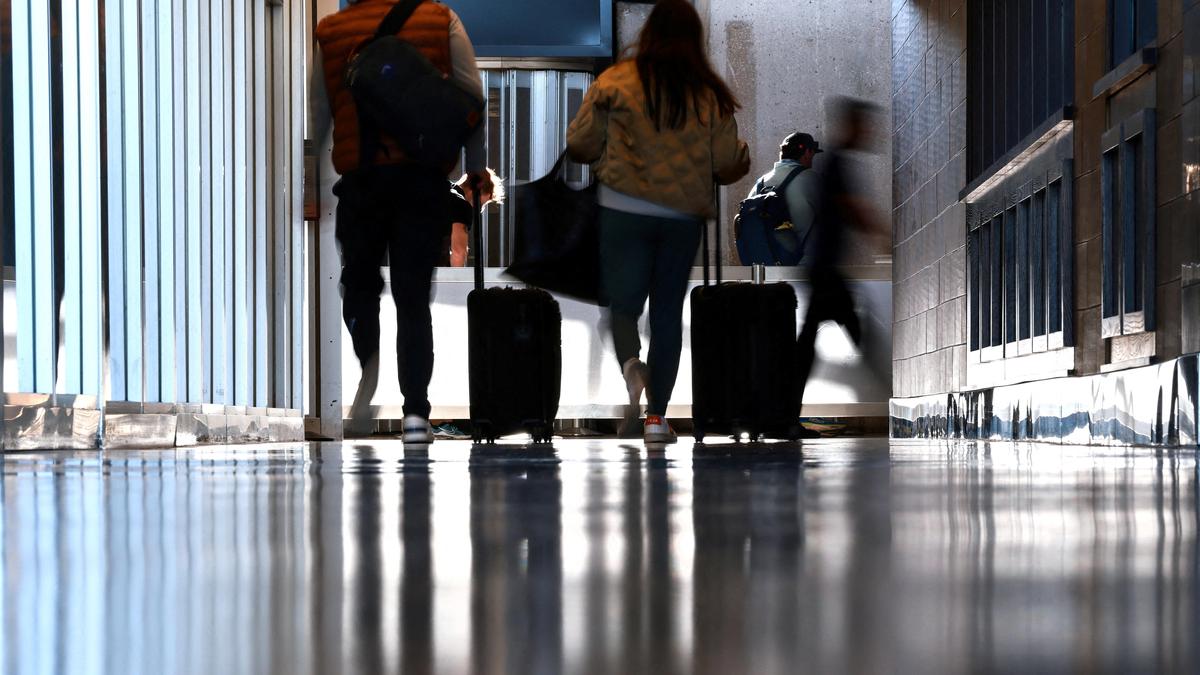
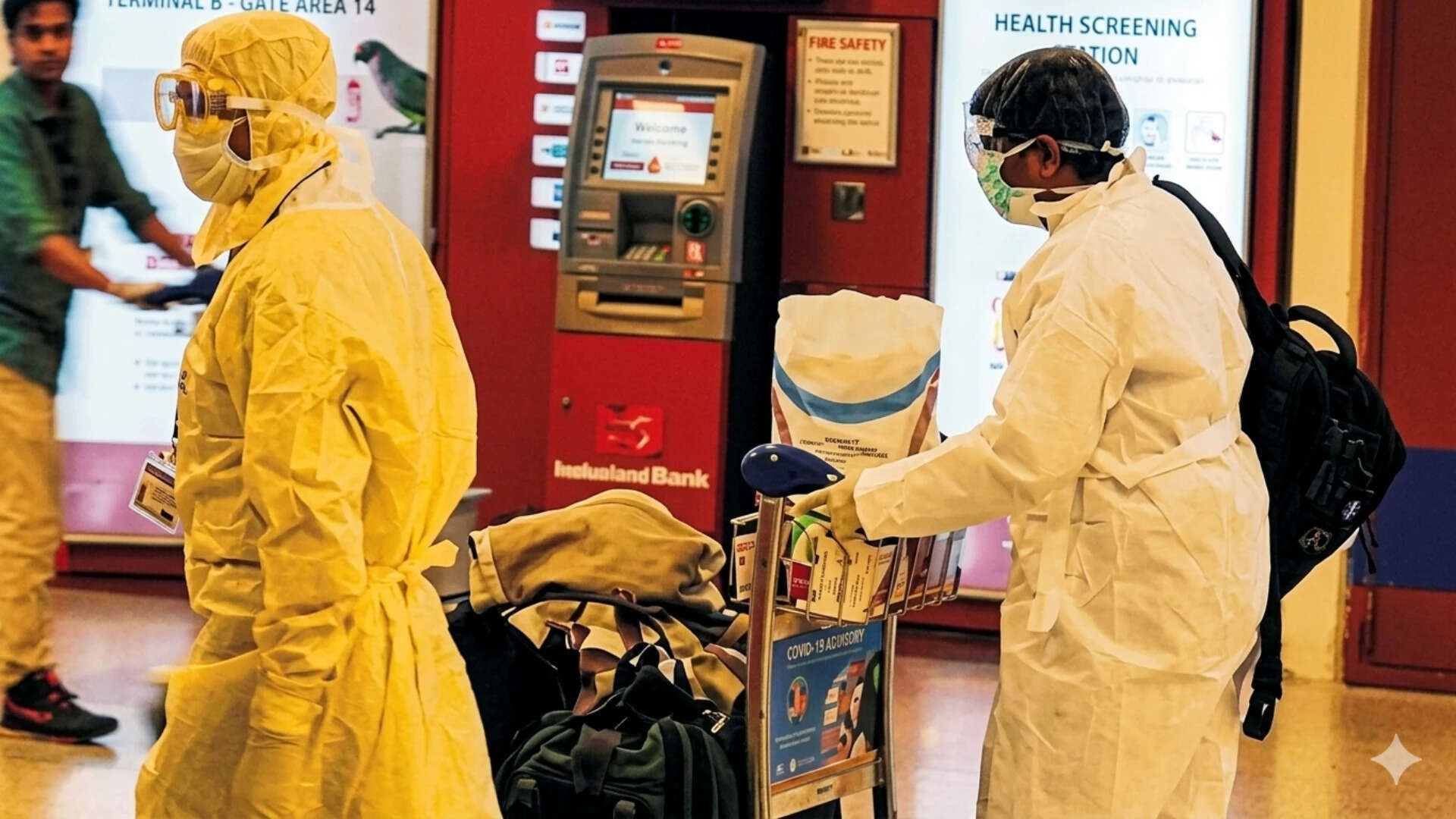
The United States announced on May 22, 2026, a temporary entry ban on lawful permanent residents—commonly known as green card holders—who have been in the Democratic Republic of Congo (DRC), Uganda, or South Sudan within the previous 21 days. The restriction applies amid growing concerns over the spread of the rare Bundibugyo strain of Ebola. While U.S. citizens, nationals, and green card holders were previously exempt from a 30-day Ebola-related travel ban under Title 42 of U.S. public health law, the Centers for Disease Control and Prevention (CDC) stated that extending the ban to green card holders was necessary to prevent the virus from entering the country.
In a statement released on May 22, the CDC emphasized that applying this authority to lawful permanent residents for a limited period would help balance public health protection with the management of emergency response resources. The move marks a significant shift, as green card holders have historically been exempt from U.S. entry restrictions, including those imposed during the COVID-19 pandemic under Title 42 and former President Donald Trump’s travel bans.
The CDC first issued the order on May 18, 2026, using its authority under Title 42, which allows federal health authorities to prohibit individuals from entering the country to prevent the spread of contagious diseases. This authority has been a key tool in managing public health crises, including during the COVID-19 pandemic. However, the inclusion of green card holders in this ban reflects the escalating risk posed by the current Ebola outbreak.
The World Health Organization (WHO) raised the risk level of the Bundibugyo Ebola strain turning into a national outbreak in the DRC to “very high” on May 22. Additionally, the WHO declared the Ebola outbreaks in both the DRC and Uganda as a Public Health Emergency of International Concern (PHEIC). This declaration underscores the severity of the situation and the potential for further international spread if not contained.
The decision to include green card holders in the travel ban has been met with mixed reactions. While public health experts have supported the move as a necessary precaution to prevent the virus from entering the U.S., some immigration advocates have expressed concerns over the impact on individuals who have made the U.S. their permanent home. The temporary nature of the ban suggests that it could be lifted once the risk of Ebola transmission is deemed to be under control.
The CDC’s decision also highlights the global nature of public health threats and the challenges faced by countries in balancing the protection of their citizens with the rights of non-citizens residing within their borders. The inclusion of green card holders in the ban signals a more stringent approach to preventing the spread of infectious diseases, even among those who have been granted permanent residency in the U.S.
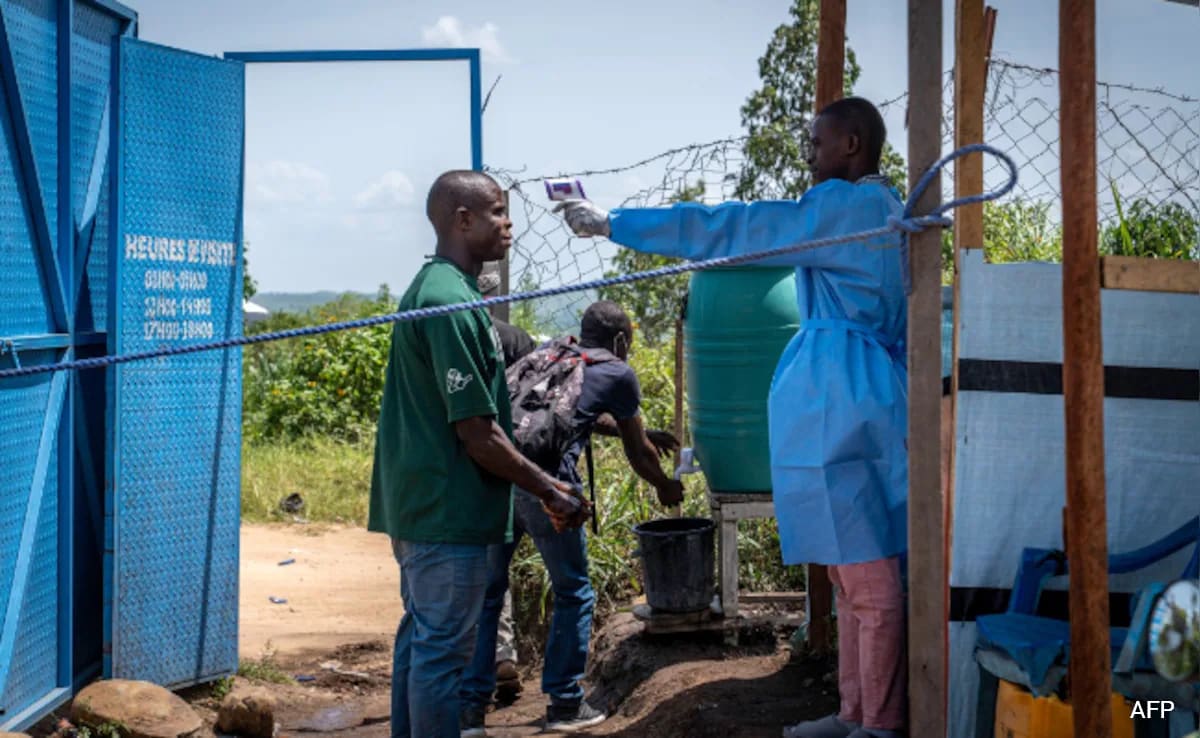
As the situation continues to evolve, health authorities in the U.S. and internationally are closely monitoring the Ebola outbreaks in the DRC, Uganda, and South Sudan. Travelers and residents in these regions are advised to follow strict health guidelines to minimize the risk of infection and prevent further spread of the virus.