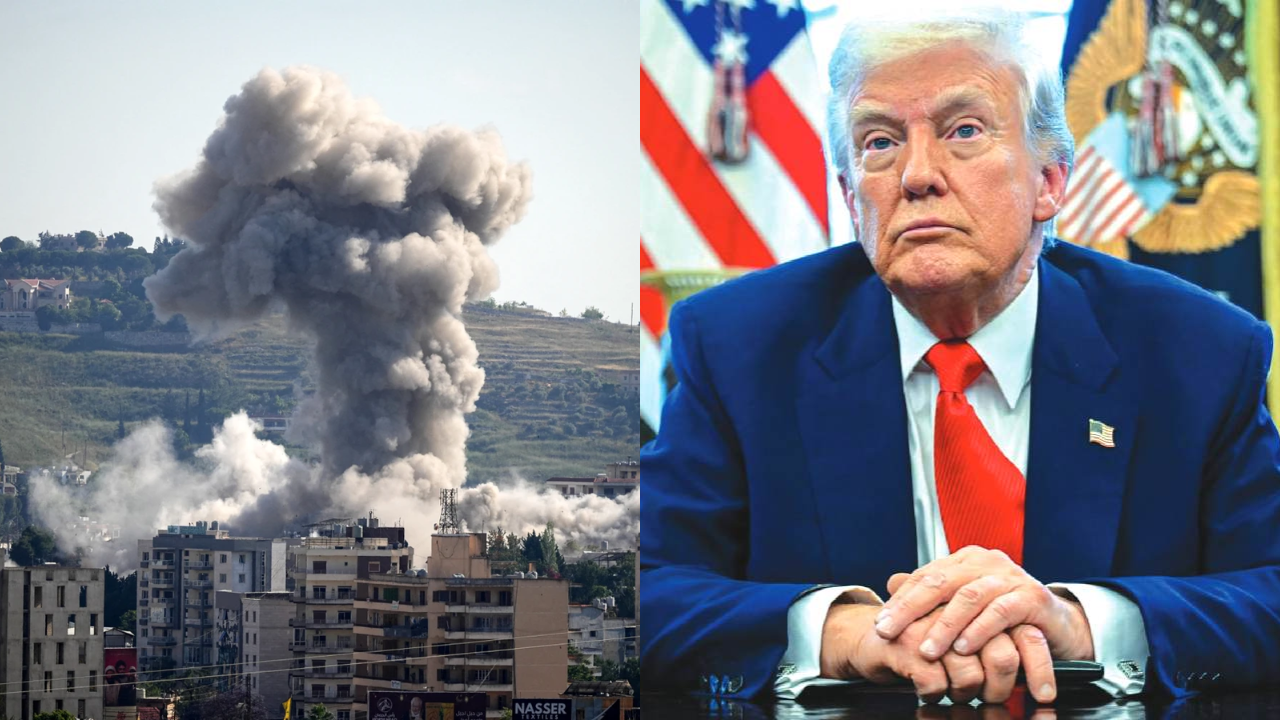
The United States has introduced a new diplomatic initiative aimed at reducing escalating tensions between Israel and Lebanon, even as fighting persists along their shared border. On May 31, 2026, US Secretary of State Marco Rubio held separate conversations with Lebanese President Joseph Aoun and Israeli Prime Minister Benjamin Netanyahu to discuss the proposed framework. According to a senior US official, the plan calls for an immediate halt to all attacks by the Iranian-backed Hezbollah militant group against Israel. In exchange, Israel would refrain from further military escalation in Beirut. “This would create space for gradual de-escalation and an effective cessation of hostilities,” the official stated.
The proposal comes amid continued violence despite a fragile ceasefire declared over six weeks ago. Lebanese Parliament Speaker Nabih Berri, who has claimed to “guarantee” Hezbollah’s commitment to a truce, placed responsibility on Israel, insisting it must stop “shooting first.” Meanwhile, Israeli Prime Minister Netanyahu announced on May 31 that Israeli forces had been ordered to advance deeper into Lebanese territory as part of ongoing operations against Hezbollah. The Israel Defense Forces (IDF) confirmed the seizure of the 900-year-old Beaufort Castle and a strategic ridge in southern Lebanon earlier that day. This follows one of the heaviest days of rocket fire from Hezbollah toward northern Israel since the April ceasefire, prompting temporary school closures and public safety restrictions in affected areas.
The US official emphasized that Washington does not expect Israel to tolerate continued attacks on its civilian population from Hezbollah. However, the proposal reflects a cautious approach to de-escalation, prioritizing a step-by-step reduction in hostilities rather than an immediate full withdrawal.
In a separate but related development, US President Donald Trump has sent back a proposed agreement with Iran for extensive revisions, delaying the conclusion of a long-anticipated deal. Despite earlier statements that the agreement was “largely finalised,” Trump reportedly returned the draft text for significant changes. According to US media reports, the revised proposal includes a 60-day cessation of hostilities, stricter conditions on Iran’s nuclear commitments, and the reopening of the Strait of Hormuz under specified terms. During a Fox News interview, Trump reiterated, “The one guarantee that I have to have is that there will be no nuclear weapons.” He also expressed concerns about the scale of financial relief potentially offered to Tehran, drawing comparisons to the 2015 Joint Comprehensive Plan of Action (JCPOA), which he has repeatedly criticised as too lenient.
A White House official stated that Trump will only accept a deal that serves American interests and meets his “red lines.” The proposal, described as a memorandum of understanding, has not yet been formally approved by either side. Iranian officials, including Foreign Minister Abbas Araghchi, have cautioned against premature speculation, asserting that “until a conclusion is reached... everything that is being said now is speculation.” Araghchi also stressed that no agreement would be accepted without clear guarantees. Democratic Senator Chris Coons, a member of the Senate Foreign Affairs Committee, acknowledged that the terms outlined by Trump appeared acceptable in principle but warned of potential implementation challenges, particularly regarding the Strait of Hormuz.
The negotiations follow months of conflict and a fragile truce that began on April 8, 2026. Despite multiple indications from Trump that a final agreement was imminent, no formal deal has been announced. Adding pressure to the talks, US Secretary of War Pete Hegseth warned that military action could resume if the final terms fail to meet Washington’s requirements. “Our stockpiles are more than suited for that,” Hegseth said during an address in Singapore, signaling a readiness to escalate if necessary.
As diplomatic efforts continue, the situation on the ground remains volatile, with both sides engaged in intense military and political maneuvering. The interplay between the Israel-Lebanon ceasefire proposal and the US-Iran negotiations underscores the complex regional dynamics at play, where security, nuclear policy, and humanitarian concerns intersect.