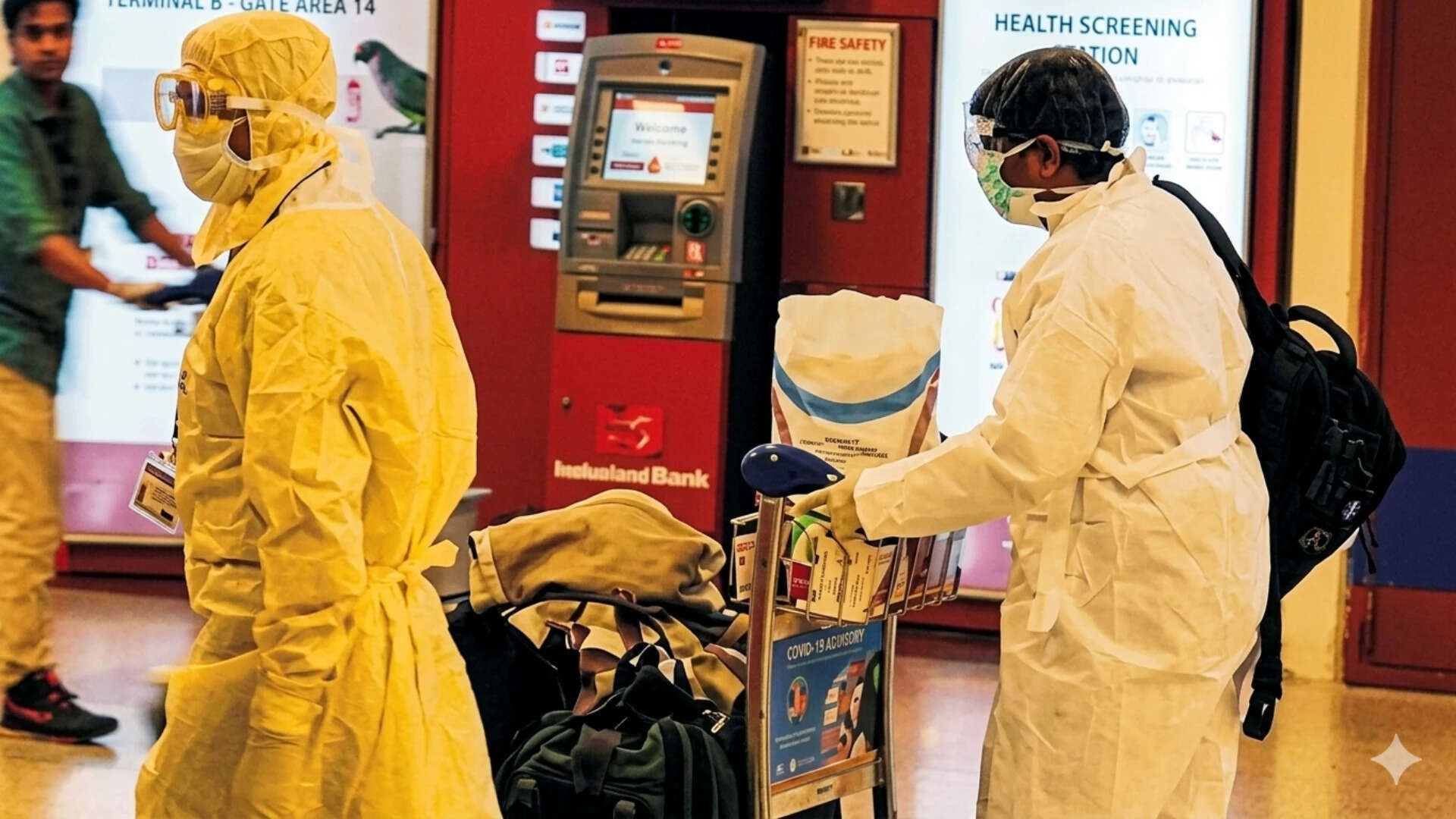
Bengaluru witnessed an Ebola scare on Wednesday after a woman who had recently returned from Uganda reported mild symptoms including body ache and was immediately isolated at the State-run Epidemic Diseases Hospital (EDH) for evaluation. Health authorities confirmed that the woman, who has not been publicly identified, is otherwise in stable condition and is being monitored closely. A sample was collected and sent to the National Institute of Virology (NIV) in Pune for laboratory testing, with results still pending as of Wednesday evening.
The Union Ministry of Health and Family Welfare stated that no case of Ebola Virus Disease (EVD) has been confirmed in India so far. In an official statement released on Wednesday, the ministry emphasized that India is closely monitoring the evolving Ebola situation in parts of Africa, where outbreaks have been reported. “The Government of India is closely monitoring the evolving Ebola Virus Disease situation in view of recent outbreaks reported in parts of Africa,” the statement said. The ministry assured the public that all necessary public health protocols are being followed in accordance with World Health Organization (WHO) guidelines, and surveillance measures are in place at designated points of entry and across the public health system.
Health officials confirmed that the woman had traveled from Uganda, one of the African countries currently experiencing an Ebola outbreak. The EDH stated, “The individual is otherwise in a healthy condition till now apart from mild body ache. A sample has been collected and sent to the National Institute of Virology for laboratory testing. Test results are awaited.” The Karnataka state government, in coordination with the central health authorities, has activated isolation protocols and is maintaining heightened surveillance.
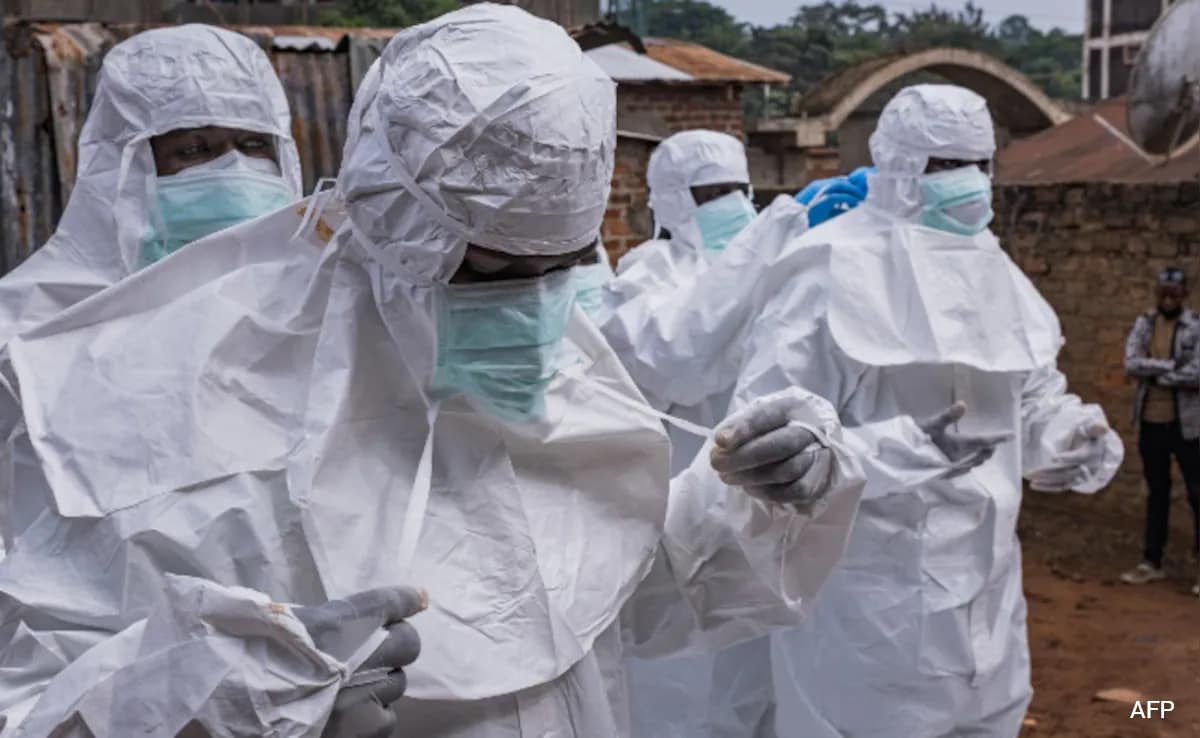
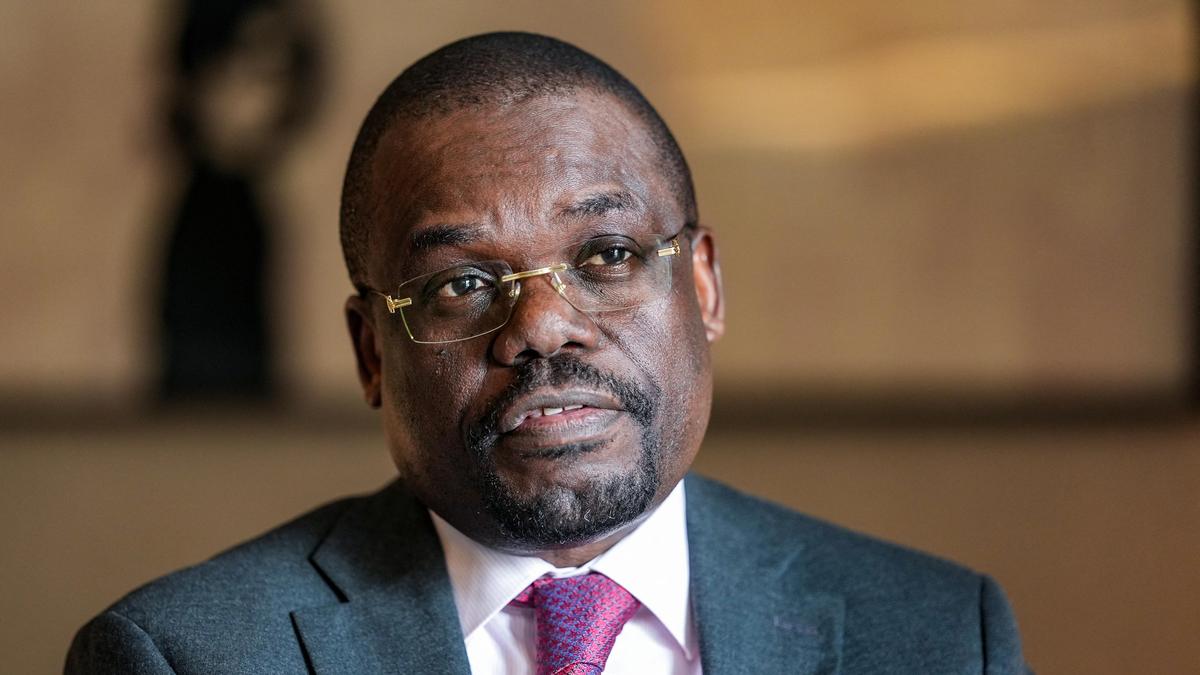
The Ebola scare comes amid growing global concern over a new and highly lethal strain of the virus. The current outbreak, caused by the Bundibugyo species of the Ebola virus, was confirmed in the Democratic Republic of Congo (DRC) and Uganda earlier this month. Unlike previous strains, there is currently no approved vaccine or specific treatment for this new variant. WHO Director-General Dr. Tedros Adhanom Ghebreyesus warned that the epidemic is “outpacing” response efforts, with over 220 suspected deaths reported so far, including at least 11 confirmed fatalities.
In response to the outbreak, international research teams are accelerating vaccine development. Researchers at the University of Oxford, in collaboration with the Serum Institute of India and other global partners, are developing a vaccine candidate targeting the Bundibugyo strain. Professor Teresa Lambe, Head of Vaccine Immunology at the Oxford Vaccine Group, said animal testing has already begun and the team aims to produce clinical-grade vaccine doses within the next two to three months. Lambe described the Serum Institute of India as a key partner capable of rapid, large-scale vaccine production.
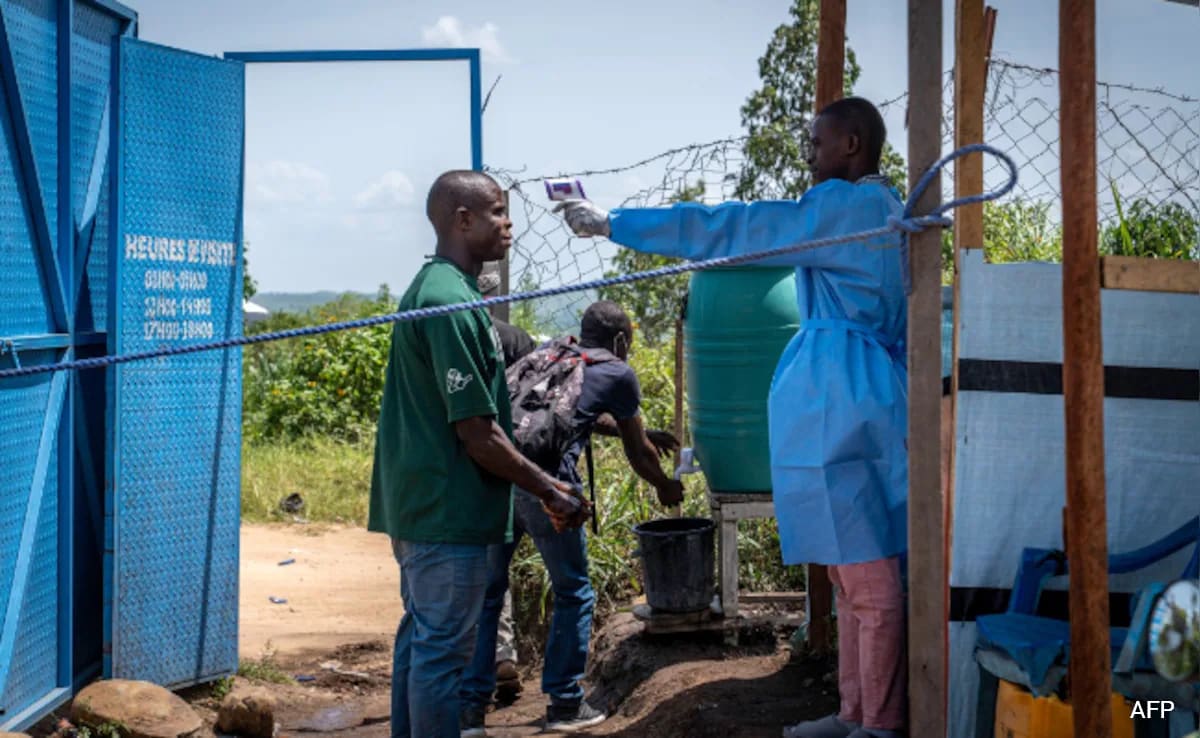
Meanwhile, Russia has claimed to have developed a vaccine for the new Bundibugyo strain, though this has not been independently verified. The WHO continues to lead global efforts, scaling up operations in affected regions to contain the spread. India has also stepped up screening at airports and set up isolation wards as part of its preparedness measures, even as authorities urge citizens not to panic and to rely only on official sources for updates.
As the world grapples with the resurgence of Ebola, public health experts stress the importance of vigilance, early detection, and international cooperation in preventing further escalation of the crisis.