Why is Water Wet? Understanding the Science Behind It
मुख्य बातें
- •The wetness of water depends on its ability to stick to and spread across surfaces.
- •A smaller *contact angle* causes water to spread more, increasing wetness.
- •Higher humidity in warm air leads to a damp sensation, contributing to wetness.
- •During the rainy season, increased moisture in the air heightens the feeling of wetness.
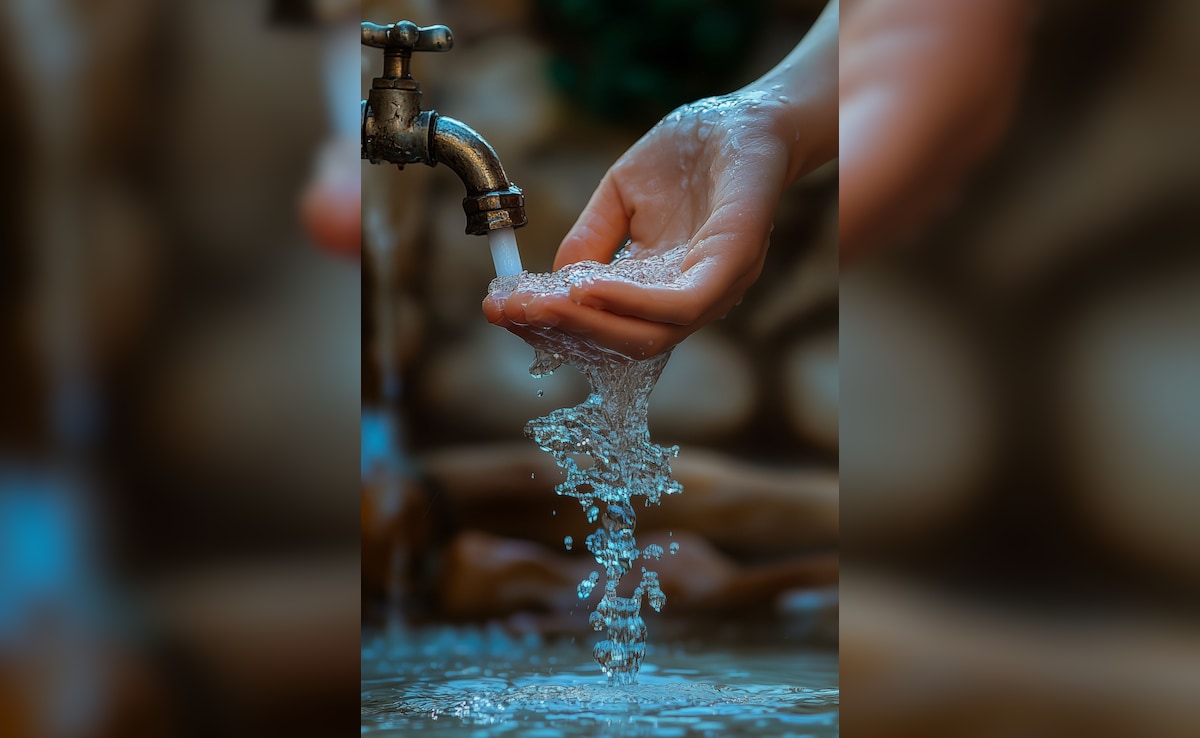
We’ve all known since childhood that water is wet, but have you ever wondered why that’s the case? From a scientific perspective, this phenomenon is tied to the properties of liquids and how they interact with surfaces. In reality, the wetness of water is linked to its ability to adhere to surfaces. When water spreads across a surface, it forms chemical and physical bonds with it, which is what we perceive as wetness.
According to scientists, the wetness of a liquid depends on how well it maintains contact with a surface—a concept known as the *contact angle*. If the contact angle is small, the liquid spreads easily over the surface, making it feel wetter. For example, water spreads across a glass surface, making it appear wet. On the other hand, if the contact angle is large, the liquid forms spherical droplets, as seen when water sits on a waxy surface.