Israel conducted a series of airstrikes on Beirut, Lebanon, on March 2, 2026, in response to a missile attack by the militant group Hezbollah, which crossed the border early that morning. This marked the first time in over a year that Hezbollah had claimed a strike against Israel. The Israeli military confirmed that it intercepted one projectile while others landed in open areas, with no reported injuries or damage. Hezbollah justified the attack as retaliation for the killing of Iran’s Supreme Leader Ayatollah Ali Khamenei and what it described as "repeated Israeli aggressions."
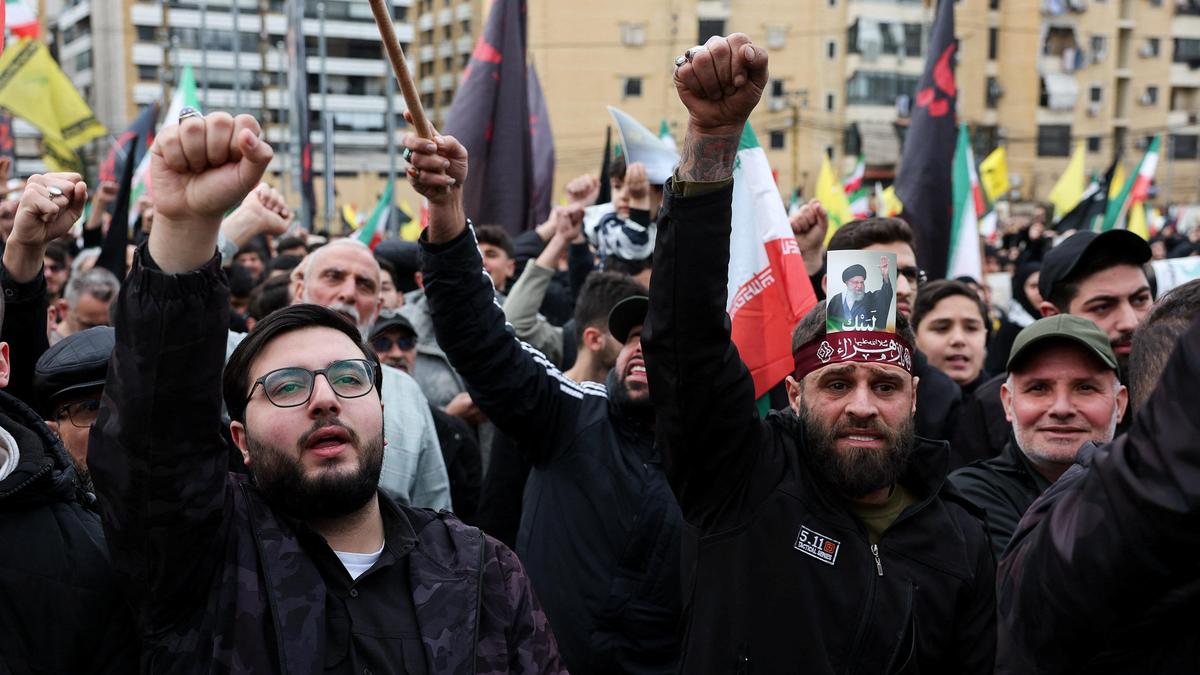
The escalation comes amid heightened regional tensions following the death of Khamenei, a figure deeply revered by Hezbollah and other Iran-backed groups. In Beirut’s southern suburbs, thousands of Hezbollah supporters gathered to mourn his death, chanting slogans such as "death to America, death to Israel" while expressing grief over the loss of the Iranian leader.
The Israeli strikes were a direct response to Hezbollah’s missile barrage, which violated the U.S.-brokered ceasefire agreement established in 2024. This ceasefire had ended over a year of intense fighting between Israel and Hezbollah, during which Israeli strikes had significantly weakened the Iran-backed militant group. Since the ceasefire, both sides have frequently accused each other of violations, keeping tensions simmering.
The Israeli military stated that it had intercepted a launch while other projectiles fell harmlessly in open areas, emphasizing that no damage or casualties were reported. However, the strikes on Beirut signal a sharp deterioration in the fragile truce, raising concerns about a potential resumption of hostilities.
Hezbollah’s statement framed the missile attack as a retaliatory measure, linking it directly to the killing of Khamenei. The group has historically acted in alignment with Iran’s interests, and the death of its supreme leader has likely intensified its resolve to respond to perceived provocations by Israel.
The incident also highlights the persistent volatility in the region, where proxy conflicts and retaliatory strikes continue to destabilize Lebanon and surrounding areas. The capture of Beaufort Castle by Israel earlier has further complicated the dynamics, as the strategic fortress holds historical and military significance in the ongoing conflict.
As the situation develops, international observers are closely monitoring whether this latest escalation will spiral into a broader confrontation or if diplomatic efforts can once again restore calm.