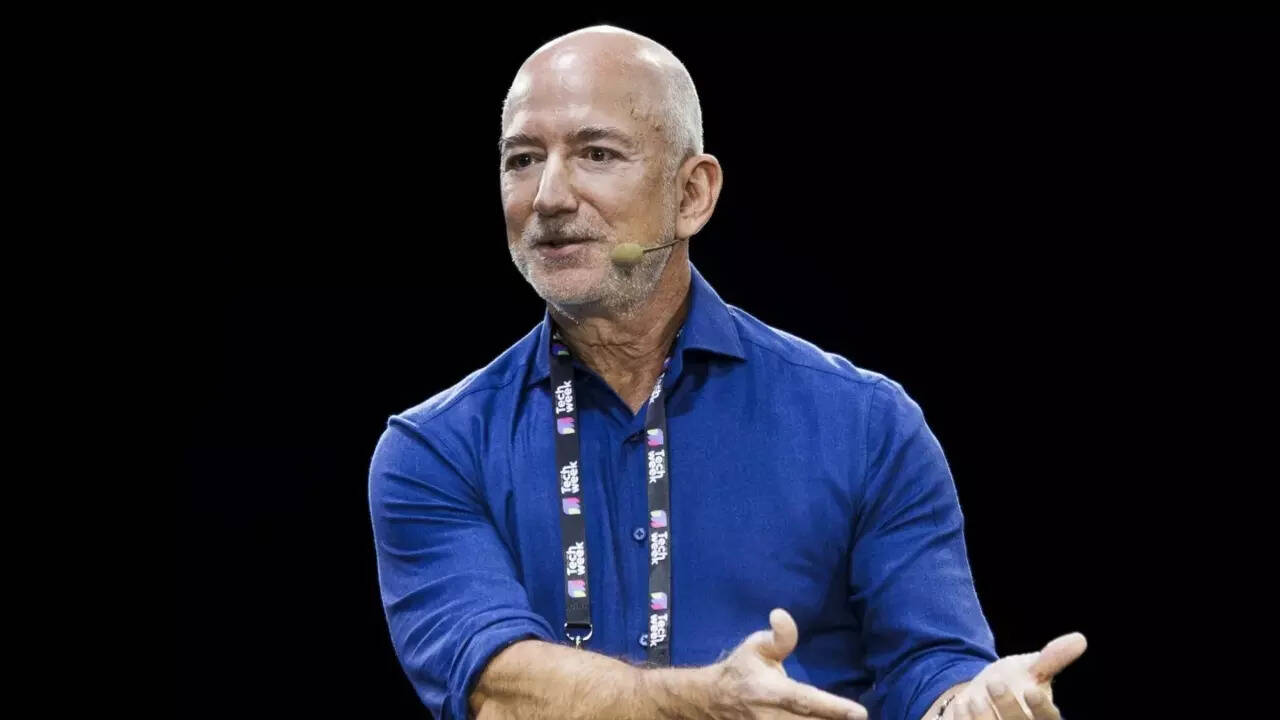
Jeff Bezos, the founder of Amazon and creator of Blue Origin, has expressed both validation and skepticism regarding the proposed timelines for building data centres in outer space. In a recent interview with CNBC, Bezos stated that moving data centres into Earth's orbit is a "very realistic" long-term outcome for the tech sector. However, he warned that the publicised timelines currently being discussed by other industry leaders are far too optimistic.
The concept of orbital data centres has rapidly shifted from science fiction to an active corporate battleground, with tech companies like Google, Microsoft, Meta, and Amazon investing heavily in this space. These companies have signed a White House agreement to finance and build their own electricity generation and infrastructure for their data centers, as well as struck deals for nuclear power generation. The primary drivers behind this shift are the need to address the adverse effects that data centres are causing to the power grid and water resources, which are both essential for keeping the centres running efficiently.
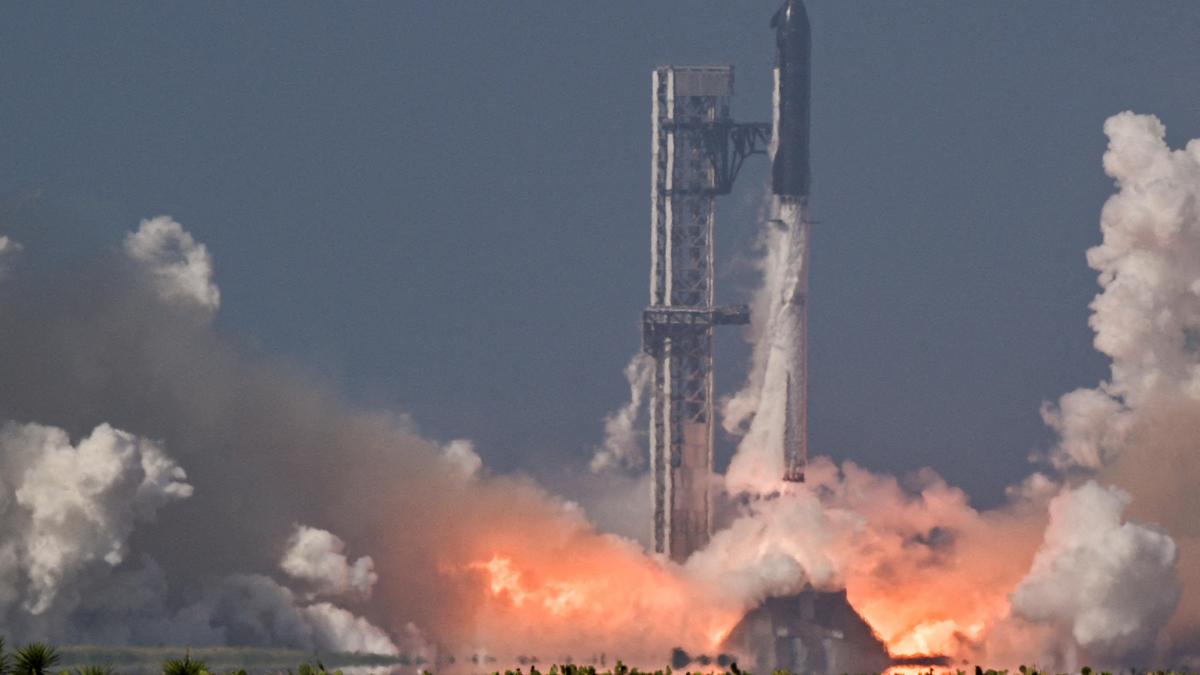
Bezos, along with Elon Musk and Google CEO Sundar Pichai, views space as the ultimate solution to the terrestrial AI crisis. Building data centres in orbit offers three massive advantages: continuous access to solar energy, a permanent solution to the shrinking availability of land, and water needed to cool massive data sites on Earth, thanks to sub-zero temperature. However, while Bezos and Musk agree on the potential of space-based data centres, they differ significantly on the timelines for implementation. Musk has stated that building "orbital data centers" will be built in 2-3 years time, while Bezos believes that this is overly ambitious.
Bezos highlighted two primary economic roadblocks that are being overlooked in the current cycle. Firstly, modern artificial intelligence (AI) chips require massive, highly concentrated energy resources, which are currently too expensive to be financially viable. Secondly, even with reusable rockets, launching heavy data server stacks into orbit remains incredibly expensive. Bezos stressed that launch costs must drop significantly further before mass deployment becomes sustainable. Despite his cautious timeline, Bezos quietly positioned Blue Origin to compete directly for the orbital cloud market. In March, Blue Origin submitted a regulatory filing to the US Federal Communications Commission (FCC) outlining plans to launch a massive constellation of 51,600 data center satellites into low Earth orbit under "Project Sunrise".
Google has also announced "Project Suncatcher", which aims to launch two prototype satellites in partnership with Planet Labs to test the hardware in orbit. The company's plans to launch a massive constellation of satellites into low Earth orbit raise questions about the feasibility of this concept and the potential environmental impact. As the tech industry continues to shift towards space-based data centres, it remains to be seen whether the timelines and costs can be brought in line with the ambitions of industry leaders like Musk and Bezos.
The concept of space-based data centres is a complex and multifaceted one, with both potential benefits and drawbacks. While it offers a potential solution to the terrestrial AI crisis, it also raises significant concerns about the environmental impact and the feasibility of the concept. As the tech industry continues to invest heavily in this space, it will be interesting to see whether the timelines and costs can be brought in line with the ambitions of industry leaders like Musk and Bezos.