The United Nations weather agency has issued a stark warning about the likelihood of a moderate to strong El Niño event developing over the coming months, with potential global consequences. According to the World Meteorological Organization (WMO), sea surface temperatures in the central and eastern Pacific Ocean are rising rapidly, indicating that El Niño conditions are already forming. This periodic warming pattern, which typically lasts between nine and twelve months, is expected to persist at least until November 2026.
Speaking at a press briefing on June 2, 2026, WMO Secretary-General Celeste Saulo emphasized the urgency of preparing for a potentially intense El Niño event. “We need to prepare for a potentially strong El Niño event — which will exacerbate drought and heavy rainfall and increase the risk of heatwaves both on land and in the ocean,” she stated. The WMO predicts that above-average temperatures will affect most regions of the world from June to August, with the warming trend likely continuing throughout the year.
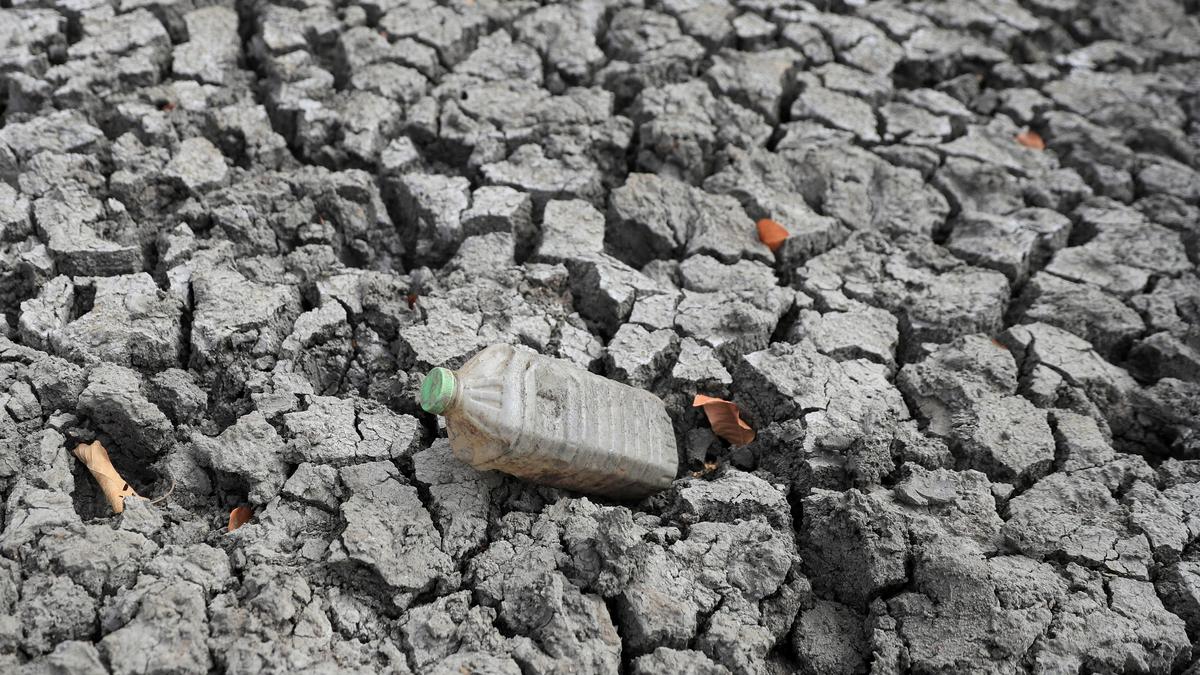
El Niño is known to disrupt regional climates in complex ways. While it can bring increased rainfall to southern South America, parts of the Horn of Africa, and Central Asia, it often triggers severe droughts in Australia, Central America, Indonesia, and sections of Southern Asia. Additionally, the phenomenon increases the likelihood of hurricane formation in the central and eastern Pacific Ocean. The most recent El Niño, which occurred between 2023 and 2024, contributed to making 2024 the hottest year on record, according to Ms. Saulo.
The current development of El Niño has been marked by a rapid rise in sea surface temperatures from late April to mid-May. The WMO also reported unusually warm subsurface conditions in the tropical Pacific, with temperatures exceeding 6 degrees Celsius above average. This reservoir of heat beneath the surface is driving surface warming and reinforcing the El Niño conditions.
Several national weather agencies have forecasted that this El Niño could be the strongest in a decade. They warn of hotter and drier weather across Asia in the second half of 2026, which could severely damage crops and strain food supplies. Farmers in the region are already facing challenges due to fertiliser shortages and high fuel costs caused by the ongoing conflict in Iran, further compounding the threat to food security.
Despite these concerns, the WMO has acknowledged some uncertainty regarding the eventual strength of El Niño, as not all climate models are predicting a strong event. However, the agency stressed that the situation should be treated as a critical climate warning. United Nations Secretary-General António Guterres urged immediate action to transition away from fossil fuels and toward renewable energy. “The world must treat it as the urgent climate warning it is. El Niño conditions will pour fuel on the fire of a warming world,” he said.
While climate change does not appear to increase the frequency or intensity of El Niño patterns, the WMO noted that it can intensify their impacts, such as extreme heatwaves and heavy rainfall. Communities already vulnerable to climate hazards are expected to face even greater challenges, including increased risks of heat-related illnesses, the spread of vector-borne diseases, and heightened pressure on food and water systems. “Communities that were already struggling will be pushed farther beyond their limits,” Ms. Saulo warned.
As the world braces for the potential impacts of this emerging El Niño event, experts are calling for coordinated global action to mitigate risks and strengthen resilience against the growing threat of extreme weather and climate-related disasters.